Bill · H.R. 9121· House(119-HR-9121)
Manufacturing Jobs for Veterans Act of 2026
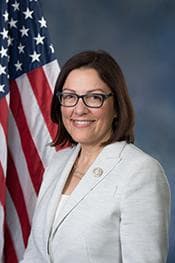
- Introduced
- 6/3/2026
- Last activity
- 6/3/2026 — Referred to the House Committee on Education and Workforce.
- Sponsored by
- Suzan DelBene
- Cosponsors
- - 1 - 0
- Introduced
- In Committee
What this bill would do
The bill is known as the Manufacturing Jobs for Veterans Act of 2026. It requires the Secretary of Labor to establish a pilot program called the Veterans Manufacturing Employment Program. Under this program, the Secretary will award competitive grants to three States. These States will then make grants to manufacturing employers and joint labor-management organizations. The goal is to provide eligible veterans with covered training, on-the-job training, apprenticeships, and postsecondary credentials.
Yes· 3 of 22
Would veterans be better off under this, taking everything together?+9
The bill is specifically designed to provide veterans with specialized training, apprenticeships, and sustainable manufacturing jobs.
Does this increase the pay, pensions or support veterans receive?+7
The bill creates a dedicated pilot program to fund training and employment opportunities specifically for veterans.
Is this likely to create jobs?+6
The bill establishes a pilot program to provide veterans with training and apprenticeships for sustainable manufacturing jobs.
The opposite
No question was scored the opposite.
Who it would affect, and how
Potential Positive Impacts for People
-
Veterans and Manufacturing Employment: Under Section 2(a), the bill establishes a pilot program to award grants to three States, which will fund training, on-the-job training, apprenticeships, and postsecondary credentials for eligible veterans to encourage their employment in manufacturing. This benefits veterans by helping them secure sustainable employment in high-wage, high-skill manufacturing jobs.
-
Outreach to Rural Veterans: Under Section 2(c)(2), grant-receiving States are required to conduct outreach to inform manufacturing employers, joint labor-management organizations, and veterans of their eligibility. This provision explicitly includes veterans in rural areas, ensuring they are not left out of these employment and training opportunities.
Potential Negative Impacts for People
- Training Restrictions for Non-Veterans: Under Section 2(f), none of the funds made available to a manufacturing employer through a grant may be used to provide training of any kind to a person who is not an eligible veteran. This means individuals who are not veterans cannot benefit from the training funded by these specific grants.
Groups and Interests Ranking
Every group the model scored this bill for, from -10 to +10. Hover a score for the reason it gave.
- Demographic And Interest Groups
- Good For Veterans+9Good For Business Owners+5Good For Low Income Households+5Good For Middle Class Households+4Good For Rural Residents+4Good For Union Workers+4Good For Middle Aged+3Good For Young Adults+3Good For Men+2Good For Urban Residents+2Good For Women+2
- Economy And Finance
- Increases Job Creation+6Improves Small Business Support+4Improves Economic Growth+3Improves Union Protections+3
- Governance And Ideology
- Improves Government Transparency+3Increase States Rights+3Increases Federal Power+2
- National Security And Foreign Policy
- Improves Veterans Benefits+7
- Social Issues And Justice
- Improves Poverty Reduction+4Reduces Homelessness+2
- Environment Energy And Infrastructure
- Improves Rural Development+4
- 6/3/2026
- Referred to the House Committee on Education and Workforce.
- 1 Cosponsor added.
- Introduced in House
2 bills Congress.gov lists as related to this one — companions in the other chamber, earlier versions, and bills this one absorbed or was folded into.
 Suzanne Bonamici
Democrat · Oregon