Bill · H.R. 9118· House(119-HR-9118)
Enhanced Alerts for Missing Loved Ones with Disabilities Act of 2026
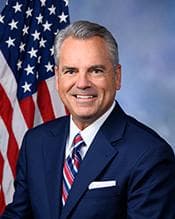
- Introduced
- 6/3/2026
- Last activity
- 6/3/2026 — Referred to the House Committee on the Judiciary.
- Sponsored by
- Mark Alford
- Cosponsors
- - 2 - 0
- Introduced
- In Committee
What this bill would do
This bill is known as the Enhanced Alerts for Missing Loved Ones with Disabilities Act of 2026. It updates Kristen's Act to include information about developmental disabilities, Alzheimer's disease, and dementia in alerts sent through the Ashanti Alert communications network. The bill also updates the specific criteria for when these alerts can be issued regarding individuals with these diagnoses. Finally, it adds new requirements for training and educational programs to help respond effectively to reported missing adults and children who have a developmental disability.
Yes· 3 of 5
Would people with disabilities be better off under this?+9
The legislation directly improves safety, alert accuracy, and search response training for individuals with developmental disabilities.
Would people over 65 be better off under this?+8
Seniors benefit significantly from the explicit inclusion of Alzheimer's disease and dementia in the Ashanti Alert network criteria.
Does this expand the rights of people with disabilities?+8
The bill enhances safety and alert mechanisms specifically for individuals with developmental disabilities, Alzheimer's, and dementia.
The opposite
No question was scored the opposite.
Who it would affect, and how
Potential Positive Impacts for People
-
Better Information in Alerts: Section 2 of the bill amends Kristen's Act to ensure that alerts issued through the Ashanti Alert communications network include information about whether a missing individual has a developmental disability, Alzheimer's disease, or dementia. This is positive because it provides more specific details to the public and authorities when trying to locate a vulnerable missing person.
-
Expanded Criteria for Missing Adults: Section 2 also updates the criteria in section 204(b)(3) of Kristen's Act, replacing a general reference to a proven mental or physical disability with specific mentions of individuals diagnosed with a mental disability, a physical disability, a developmental disability, Alzheimer's disease, or dementia. This could help more people qualify for the alert system based on their specific diagnoses.
-
Improved Training for Missing Adults and Children: Section 3 adds requirements for training and educational programs related to responding effectively to reported missing adults and children with developmental disabilities, covering both Kristen's Act and the PROTECT Act. This is positive because it helps states, territories, and tribal governments learn how to handle these specific situations better.
Potential Negative Impacts for People
- No Negative Impacts Identified: Based strictly on the provided text of the bill, there are no specific provisions that outline negative consequences or burdens for individuals or groups of people in the United States.
Groups and Interests Ranking
Every group the model scored this bill for, from -10 to +10. Hover a score for the reason it gave.
- Demographic And Interest Groups
- Good For People With Disabilities+9Good For Seniors+8Good For Children+7Good For Retirees+7
- Social Issues And Justice
- Improves Disability Rights+8
- 7/20/2026
- 1 Cosponsor added.
- 6/3/2026
- Referred to the House Committee on the Judiciary.
- 1 Cosponsor added.
- Introduced in House
One bill Congress.gov lists as related to this one — companions in the other chamber, earlier versions, and bills this one absorbed or was folded into.
 Dan Newhouse
Republican · Washington
 Jason Smith
Republican · Missouri