Bill · H.R. 9080· House(119-HR-9080)
Mass Timber Federal Buildings Act of 2026
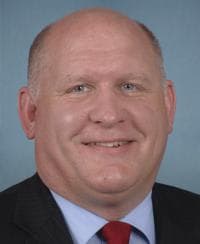
- Introduced
- 5/29/2026
- Last activity
- 6/11/2026 — Sponsor introductory remarks on measure. (CR H4088)
- Sponsored by
- Glenn Thompson
- Cosponsors
- - 1 - 4
- Introduced
What this bill would do
This bill is known as the Mass Timber Federal Buildings Act of 2026. It sets up a contracting preference for public buildings and military installations that use innovative wood products. These wood products must be harvested and processed within the United States from responsible sources. The legislation also directs officials to give priority to wood sourced from forest restoration practices, wildfire protection actions, and underserved forest owners. Additionally, the Administrator of General Services must conduct a lifecycle assessment on new public buildings using these wood products and submit a report to Congress.
Yes· 3 of 13
Would people in rural areas be better off under this?+6
Rural and forested communities benefit from increased economic activity and wildfire protection measures prioritized in the bill.
Does this invest in rural communities?+6
By prioritizing wood products sourced from forest management, restoration, and small family forests, the bill directly benefits rural and forested communities.
Would Native Americans be better off under this?+5
The bill explicitly includes Tribally owned forests among the underserved forest owners prioritized for wood procurement.
The opposite
No question was scored the opposite.
Who it would affect, and how
Potential Positive Impacts for People
-
Section 2(b)(1)(A): This section gives priority to public buildings that use innovative wood products procured from facilities and forestlands located within the United States. This could benefit domestic wood product facilities and American workers by encouraging the use of Made in America materials.
-
Section 2(b)(2)(A)(ii)(III): This provision gives preference to innovative wood products sourced from underserved forest owners, which includes Tribally owned forests and small family forests. This may provide helpful economic support to small-scale and tribal forest owners in the United States.
-
Section 2(b)(3)(B): The Administrator, working with the Secretary of Agriculture, must submit a report to Congress and make it publicly available regarding the global warming potential of new public buildings using innovative wood products. This brings transparency and accountability to the government's building practices for the public.
Potential Negative Impacts for People
- Based on the provided text, there are no explicit negative consequences, burdens, or negative impacts identified for individuals or groups of people in the United States.
Groups and Interests Ranking
Every group the model scored this bill for, from -10 to +10. Hover a score for the reason it gave.
- Demographic And Interest Groups
- Good For Rural Residents+6Good For Farmers+5Good For Native Americans+5Good For Business Owners+4
- Environment Energy And Infrastructure
- Improves Rural Development+6Improves Public Land Management+5Reduces Carbon Emissions+5Improves Environmental Protections+4
- Economy And Finance
- Improves Small Business Support+5Increases Job Creation+4Improves Economic Growth+2
- Governance And Ideology
- Improves Government Transparency+4Increases Federal Power+2
- 7/2/2026
- 1 Cosponsor added.
- 6/30/2026
- 2 Cosponsors added.
- 6/18/2026
- 1 Cosponsor added.
- 6/11/2026
- Sponsor introductory remarks on measure. (CR H4088)
- 5/29/2026
- Referred to the Committee on Transportation and Infrastructure, and in addition to the Committee on Armed Services, for a period to be subsequently determined by the Speaker, in each case for consideration of such provisions as fall within the jurisdiction of the committee concerned.
- 1 Cosponsor added.
- Introduced in House
One bill Congress.gov lists as related to this one — companions in the other chamber, earlier versions, and bills this one absorbed or was folded into.
 Janelle Bynum
Democrat · Oregon
 Donald Davis
Democrat · North Carolina
 John Rose
Republican · Tennessee
 Andrea Salinas
Democrat · Oregon
 Eugene Vindman
Democrat · Virginia