Bill · H.R. 9078· House(119-HR-9078)
LEASH Act of 2026

- Introduced
- 5/29/2026
- Last activity
- 5/29/2026 — Referred to the House Committee on the Judiciary.
- Sponsored by
- W. Steube
- Cosponsors
- - 5 - 4
- Introduced
- In Committee
What this bill would do
This bill, known as the "Law Enforcement Animal Safety and Harm Reporting Act of 2026," seeks to amend the Omnibus Crime Control and Safe Streets Act. It introduces new reporting requirements regarding felony convictions for animal cruelty under State law. Applicants for Byrne Justice Assistance Grants must certify that they will report these convictions and the names of convicted individuals to the Attorney General. Additionally, the bill changes the criteria for how certain grants are distributed to local government units. Finally, it directs the Attorney General to establish a publicly accessible database for this information within two years.
Yes
Does this make what the government does easier for the public to see?+3
The creation of a publicly accessible Department of Justice database containing animal cruelty conviction records enhances government transparency.
Does this better protect air, water and wildlife?+2
The bill creates an official tracking system and public database for felony animal cruelty convictions, supporting animal welfare protections.
Does this give the federal government more power?+1
The bill places new reporting mandates on state and local grant applicants and directs the Attorney General to establish a federal database.
The opposite
No question was scored the opposite.
Who it would affect, and how
Potential Positive Impacts for People
-
Increased Transparency through Public Access: The Attorney General is required to establish a publicly accessible database containing data on felony convictions involving animal cruelty, including the names of those convicted (Section 2(b)(1)). This provides the public with direct access to specific crime data.
-
Improved Data Collection: The bill requires local governments to submit data on felony convictions involving cruelty to animals to the Attorney General (Section 2(a)(1)). This ensures that specific information regarding animal cruelty convictions is tracked.
Potential Negative Impacts for People
-
Increased Burden on Grant Applicants: To be eligible for Byrne Justice Assistance Grants, applicants must now provide a certification that they will report data on felony convictions related to animal cruelty, including the names of convicted individuals, for each fiscal year (Section 2(a)(1)).
-
Changes to Grant Distribution Criteria: The amendment changes how grants are distributed to local government units, adding a requirement that they must also submit data to the National Incident-Based Reporting System regarding felony convictions for animal cruelty and the names of those convicted (Section 2(a)(2)).
Groups and Interests Ranking
Every group the model scored this bill for, from -10 to +10. Hover a score for the reason it gave.
- Governance And Ideology
- Improves Government Transparency+3Increases Federal Power+1
- Environment Energy And Infrastructure
- Improves Environmental Protections+2
- 9/16/2026
- 1 Cosponsor added.
- 6/18/2026
- 1 Cosponsor added.
- 6/15/2026
- 1 Cosponsor added.
- 6/10/2026
- 1 Cosponsor added.
- 6/3/2026
- 1 Cosponsor added.
- 6/2/2026
- 2 Cosponsors added.
- 5/29/2026
- Referred to the House Committee on the Judiciary.
- 2 Cosponsors added.
- Introduced in House
 Donald Davis
Democrat · North Carolina
 Gabe Evans
Republican · Colorado
 Randy Fine
Republican · Florida
 Vicente Gonzalez
Democrat · Texas
 Josh Gottheimer
Democrat · New Jersey
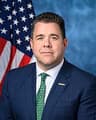 Nick LaLota
Republican · New York
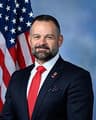 Cory Mills
Republican · Florida
 Thomas Suozzi
Democrat · New York
 Jefferson Van Drew
Republican · New Jersey