Bill · H.R. 9069· House(119-HR-9069)
KIDS Act
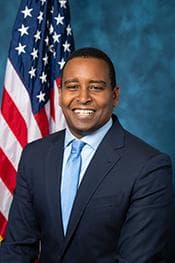
- Introduced
- 5/29/2026
- Last activity
- 5/29/2026 — Referred to the House Committee on the Judiciary.
- Sponsored by
- Joe Neguse
- Cosponsors
- - 3 - 0
- Introduced
- In Committee
What this bill would do
The KIDS Act aims to restrict the Department of Homeland Security from detaining children, individuals with cognitive disabilities, or their primary caregivers. It also prohibits immigration enforcement actions within 1,000 feet of various sensitive locations, such as schools, medical facilities, and places of worship. Exceptions are made for actions conducted with a court-issued criminal arrest or search warrant. If the Department detains a child or individual with a cognitive disability, it must notify a parent or legal guardian and report the event to Congress within 24 hours. Furthermore, the bill establishes specific protocols for the release of these individuals to designated caregivers or welfare authorities.
Yes· 3 of 8
Would children be better off under this?+8
The bill prohibits the detention of children and establishes protocols for their prompt release to caregivers.
Would people with disabilities be better off under this?+7
The bill limits the detention of individuals with cognitive disabilities and mandates their release to appropriate caregivers.
Does this expand the rights of people with disabilities?+7
The bill restricts the detention of individuals with cognitive disabilities and mandates specific release protocols for them.
The opposite
Does this tighten control of the border?-2
The bill limits the Department of Homeland Security's ability to conduct enforcement actions at sensitive locations and detain specific groups.
Who it would affect, and how
Potential Positive Impacts for People
-
Protection for Vulnerable Individuals: The bill limits the detention of children and individuals with cognitive disabilities, which may provide greater safety for these groups (Section 3(a)).
-
Preservation of Family Units: By creating a presumption against detaining primary caregivers, the act seeks to prevent the separation of families (Section 3(c)).
-
Enhanced Safety at Public Sites: The prohibition of enforcement actions within 1,000 feet of locations like schools, hospitals, and religious institutions aims to protect people while they attend these sites or travel to and from them (Section 4).
-
Streamlined Release Processes: The bill requires the Department to prioritize the prompt release of detained children or individuals with disabilities to parents, legal guardians, or appropriate welfare agencies (Section 3(d)(1)).
-
Legal Accountability: If enforcement occurs at a sensitive location in violation of this law, the bill provides remedies such as prohibiting the use of obtained information in removal proceedings and allowing individuals to file motions to terminate proceedings (Section 6).
Potential Negative Impacts for People
- Potential Exceptions to Protections: The restrictions on detention and sensitive location enforcement do not apply if the Department is acting on a criminal arrest or search warrant issued by a court (Section 5).
Groups and Interests Ranking
Every group the model scored this bill for, from -10 to +10. Hover a score for the reason it gave.
- Demographic And Interest Groups
- Good For Children+8Good For People With Disabilities+7Good For Immigrants+6Good For Low Income Households+3
- Social Issues And Justice
- Improves Disability Rights+7Improves Childcare Affordability+3Improves Pathway To Citizenship+2Improves Border Security-2
- Governance And Ideology
- Improves Due Process+5
- 6/2/2026
- 1 Cosponsor added.
- 5/29/2026
- Referred to the House Committee on the Judiciary.
- 2 Cosponsors added.
- Introduced in House
One bill Congress.gov lists as related to this one — companions in the other chamber, earlier versions, and bills this one absorbed or was folded into.
 Jason Crow
Democrat · Colorado
 Diana DeGette
Democrat · Colorado
 Brittany Pettersen
Democrat · Colorado