Bill · H.R. 9068· House(119-HR-9068)
TRUST Act
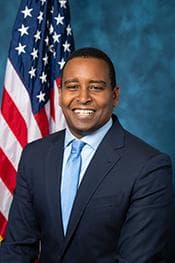
- Introduced
- 5/29/2026
- Last activity
- 7/7/2026 — Referred to the Subcommittee on Border Security and Enforcement.
- Sponsored by
- Joe Neguse
- Cosponsors
- - 3 - 0
- Introduced
- In Committee
What this bill would do
The bill, known as the TRUST Act, sets stricter hiring and screening rules for immigration enforcement officers and agents. It establishes clear requirements for uniforms, official identification, and visible name displays while on duty. The legislation mandates that officers wear body-worn cameras during public interactions and outlines strict rules for recording retention and public footage release. Furthermore, it prohibits officers from viewing body-worn camera footage before completing initial reports on use-of-force incidents or misconduct complaints. Finally, the bill requires specialized training for officers on civil rights, de-escalation, and preventing discriminatory enforcement.
Yes· 3 of 13
Would immigrants be better off under this?+6
The legislation provides significant safeguards for immigrants by mandating body cameras, strict hiring screens, and specialized civil rights training for enforcement officers.
Does this make what the government does easier for the public to see?+6
The bill enhances government transparency through mandatory body-worn cameras, strict footage retention schedules, and public release timelines for misconduct incidents.
Does this change how police departments operate?+6
The TRUST Act establishes stricter hiring standards, mandatory body-worn cameras, clear identification requirements, and accountability measures for immigration enforcement officers.
The opposite
No question was scored the opposite.
Who it would affect, and how
Potential Positive Impacts for People
-
Section 2 requires comprehensive background checks for all newly hired immigration enforcement officers, including reviews of criminal history, past disciplinary records, domestic violence screenings, and psychological suitability assessments. This ensures that only qualified and fit individuals are hired to protect the public.
-
Section 4 and Section 5 require officers to clearly display their names, unique identifiers, employing agency, and visible identification cards while on duty. This increases accountability by allowing the public to easily identify individual officers.
-
Section 6 mandates that immigration enforcement officers wear body-worn cameras during public interactions and enforcement actions. This provides an objective record of events that can protect both the public and officers, while also enforcing penalties and loss of certification for officers who tamper with or fail to activate their cameras.
-
Section 7 requires officers to complete specialized training on civil rights, de-escalation techniques, language access, and preventing profiling based on race, ethnicity, religion, or language proficiency. This helps protect individuals from unlawful searches, wrongful detentions, and discriminatory enforcement practices.
Potential Negative Impacts for People
- Section 6 requires individuals to ask officers to deactivate body-worn cameras before entering a private residence without a warrant, or when interacting with an apparent crime victim or anonymous source. This provision places the burden on everyday people to proactively request privacy during sensitive or vulnerable encounters.
Groups and Interests Ranking
Every group the model scored this bill for, from -10 to +10. Hover a score for the reason it gave.
- Demographic And Interest Groups
- Good For Immigrants+6Good For Hispanic Americans+5Good For African Americans+3Good For Native Americans+3Good For People With Disabilities+3Good For Low Income Households+2
- Governance And Ideology
- Improves Government Transparency+6Improves Due Process+4Increases Federal Power+3Improves Privacy Rights+2
- Social Issues And Justice
- Improves Policing Reform+6Improves Racial Equity+5Improves Disability Rights+3
- 7/7/2026
- Referred to the Subcommittee on Border Security and Enforcement.
- 6/2/2026
- 1 Cosponsor added.
- 5/29/2026
- Referred to the Committee on the Judiciary, and in addition to the Committees on Homeland Security, and Ways and Means, for a period to be subsequently determined by the Speaker, in each case for consideration of such provisions as fall within the jurisdiction of the committee concerned.
- 2 Cosponsors added.
- Introduced in House
One bill Congress.gov lists as related to this one — companions in the other chamber, earlier versions, and bills this one absorbed or was folded into.
 Jason Crow
Democrat · Colorado
 Diana DeGette
Democrat · Colorado
 Brittany Pettersen
Democrat · Colorado