Bill · H.R. 9011· House(119-HR-9011)
Vacancy to Value Act of 2026
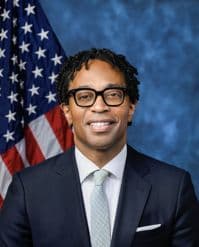
- Introduced
- 5/22/2026
- Last activity
- 5/22/2026 — Referred to the Committee on Transportation and Infrastructure, and in addition to the Committees on Oversight and Government Reform, and Financial Services, for a period to be subsequently determined by the Speaker, in each case for consideration of such provisions as fall within the jurisdiction of the committee concerned.
- Sponsored by
- Wesley Bell
- Cosponsors
- None
- Introduced
- In Committee
What this bill would do
The Vacancy to Value Act of 2026 authorizes the General Services Administration to create a pilot program for selling or transferring underutilized Federal property. This program aims to facilitate economic redevelopment through entities and individuals. Additionally, the Secretary of Housing and Urban Development will establish a Federal Redevelopment Grant Program to support these efforts. The grant program provides funding for various stages of property redevelopment and community revitalization. The pilot program is set to terminate five years after the Act is enacted.
Yes· 3 of 10
Does this make housing cost less?+8
The bill prioritizes the creation and preservation of permanently affordable housing through grant funding and redevelopment purposes.
Would households on low incomes be better off under this?+7
The bill prioritizes projects that benefit low-income communities and increase the supply of affordable housing.
Is this likely to create jobs?+6
The bill explicitly targets economic redevelopment and job creation as an eligible purpose for property transfers.
The opposite
No question was scored the opposite.
Who it would affect, and how
Potential Positive Impacts for People
-
Community Economic Growth: The bill allows for property transfers for purposes that benefit the surrounding community, such as job creation and economic growth (Section 2(b)).
-
Increased Affordable Housing: Property redevelopment can specifically include affordable housing (Section 2(b)), and the grant program prioritizes projects that create or preserve permanently affordable housing (Section 4(d)).
-
Improved Community Facilities: The bill supports the development of essential community facilities like clinics, childcare centers, and schools (Section 2(b), Section 4(c)).
-
Support for Underserved Areas: The grant program prioritizes projects that benefit low-income or historically underserved communities (Section 4(d)).
-
Financial Assistance for Redevelopment: The Federal Redevelopment Grant Program provides funds for predevelopment, environmental remediation, demolition, rehabilitation, construction, and infrastructure improvements (Section 4(c)).
-
Support for Local Organizations: The pilot program gives priority consideration to community-based nonprofit organizations and public entities (Section 2(f)).
Potential Negative Impacts for People
- Risk of Property Loss: If an entity acquires property but fails to submit a redevelopment plan or begin work within 5 years, the Administrator may require the return of the property (Section 2(d), Section 2(e)).
Groups and Interests Ranking
Every group the model scored this bill for, from -10 to +10. Hover a score for the reason it gave.
- Social Issues And Justice
- Improves Affordable Housing+8Improves Childcare Affordability+5Improves Poverty Reduction+5
- Demographic And Interest Groups
- Good For Low Income Households+7Good For Children+4Good For Urban Residents+4Good For Hispanic Americans+2
- Economy And Finance
- Increases Job Creation+6Improves Economic Growth+5
- Healthcare
- Improves Healthcare Access+5
- 5/22/2026
- Referred to the Committee on Transportation and Infrastructure, and in addition to the Committees on Oversight and Government Reform, and Financial Services, for a period to be subsequently determined by the Speaker, in each case for consideration of such provisions as fall within the jurisdiction of the committee concerned.
- Introduced in House