Bill · H.R. 8992· House(119-HR-8992)
SCCOTUS Act
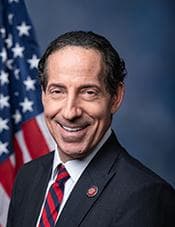
- Introduced
- 5/21/2026
- Last activity
- 5/21/2026 — Referred to the House Committee on the Judiciary.
- Sponsored by
- Jamie Raskin
- Cosponsors
- None
- Introduced
- In Committee
What this bill would do
This bill, known as the Supreme Court Certiorari Oversight and Transparency Standards Act or SCCOTUS Act, creates a new 13-judge panel to review and decide on petitions for writs of certiorari. The panel is made up of circuit judges selected randomly from each United States court of appeals who serve for one term. This new panel will take over the primary function of reviewing all petitions for writs of certiorari filed with the Supreme Court and deciding whether to grant or deny them based on specific criteria. Any petition granted by this panel will be transmitted to the Supreme Court, deemed granted by the Supreme Court, and set for oral argument. The panel is also required to issue a public report at the close of each term summarizing the number of petitions reviewed, granted, and denied, along with general statistical data.
Yes
Does this make what the government does easier for the public to see?+5
The bill establishes public reporting requirements and written explanations for certiorari decisions, thereby enhancing transparency in the Supreme Court review process.
The opposite
No question was scored the opposite.
Who it would affect, and how
Potential Positive Impacts for People
-
Section 2(g)(2)(B) provides that each decision to grant a petition for a writ of certiorari must include a brief written statement explaining the reason for granting the request and identifying the questions presented for review. This is positive because it brings clear explanations and transparency to the public about why specific cases are chosen for review.
-
Section 2(g)(7)(C) requires the panel to issue a public report at the close of each term summarizing the number of petitions reviewed, granted, and denied, as well as general statistical data on the grounds for granting petitions. This is a positive step for keeping our elected and appointed officials accountable to the people by making court activity open and public.
-
Section 2(g)(10) subjects the panel judges to the Code of Conduct for United States Judges and standards for recusal, while also disqualifying any judge who participated in a case in an inferior court from considering a petition for that same case. This is a positive provision that helps ensure fairness and prevents conflicts of interest for the judges handling these petitions.
Potential Negative Impacts for People
- As an analyst looking out for everyday folks, I did not find any specific sections or provisions within the provided text that explicitly outline negative outcomes, burdens, or consequences for individuals or groups of people in the United States.
Groups and Interests Ranking
Every group the model scored this bill for, from -10 to +10. Hover a score for the reason it gave.
- Governance And Ideology
- Improves Government Transparency+5
- 5/21/2026
- Referred to the House Committee on the Judiciary.
- Introduced in House