Bill · H.R. 8991· House(119-HR-8991)
SHADOW Act
- Introduced
- 5/21/2026
- Last activity
- 5/21/2026 — Referred to the House Committee on the Judiciary.
- Sponsored by
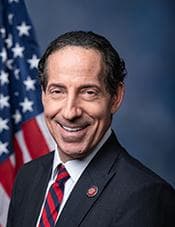
- Jamie Raskin
- Cosponsors
- None
- Introduced
- In Committee
What this bill would do
This bill is known as the Supreme Court Honesty and Disclosure of Orders and Writs Act, or the SHADOW Act. It amends title 28 of the United States Code to set forth specific factors for the Supreme Court or a justice to follow when considering stays pending appeal. The bill requires a showing of specific, concrete, and irreparable injury before a stay can be granted. It also mandates that the Supreme Court or a justice must set forth on the record the basis for issuing or denying a stay and publish it on the public docket. Additionally, the legislation places new requirements on the Supreme Court or a justice when issuing a writ under the All Writs Act. Finally, it provides exceptions for publishing these reasons on the public docket immediately if immediate action is necessary to prevent imminent or irreparable harm.
Yes
Does this make what the government does easier for the public to see?+7
The bill enhances transparency by requiring the Supreme Court to publish the specific basis for granting or denying stays and writs on the public docket.
Does this protect the right to fair treatment by the courts?+5
It strengthens judicial due process standards by setting concrete evidentiary and analytical factors for stays and writs.
The opposite
No question was scored the opposite.
Who it would affect, and how
Potential Positive Impacts for People
-
Section 2: This section requires the Supreme Court or a justice to set forth on the record and publish on the public docket the basis for an issuance or denial of a stay, including whether it was in the public interest. This could be considered positive because it holds officials accountable by requiring them to explain their reasoning to the public.
-
Section 2: Under this section, stays will not be accorded precedential effect except to the extent necessary to resolve the specific dispute between the parties. This might be viewed as positive because it limits a stay's broader legal impact outside of the exact case being decided.
-
Section 3: This section requires the Supreme Court or a justice to set forth on the record the reasons for issuing a writ, including identifying the legal right at issue and why it is indisputably clear, and to publish this on the public docket. This is a positive outcome for transparency and helps citizens understand the exact legal justification used by officials.
Potential Negative Impacts for People
-
Section 2: This section includes an exception where the requirement to immediately publish the basis for a stay on the public docket does not apply if immediate action is necessary to prevent imminent or irreparable harm, allowing publication up to 7 days later instead. This could be viewed as a negative burden because the public may be left in the dark about official actions for up to a week during urgent situations.
-
Section 3: The amendment to the All Writs Act allows the Supreme Court or a justice to delay publishing the reasons for a writ for up to 7 days if immediate action is needed to prevent imminent or irreparable harm. People might consider this negative because it temporarily withholds the official justification for an injunction from public view.
Groups and Interests Ranking
Every group the model scored this bill for, from -10 to +10. Hover a score for the reason it gave.
- Governance And Ideology
- Improves Government Transparency+7Improves Due Process+5
- 5/21/2026
- Referred to the House Committee on the Judiciary.
- Introduced in House