Bill · H.R. 8972· House(119-HR-8972)
OPT Fair Tax Act
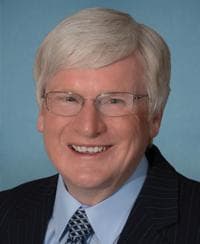
- Introduced
- 5/21/2026
- Last activity
- 5/21/2026 — Referred to the House Committee on Ways and Means.
- Sponsored by
- Glenn Grothman
- Cosponsors
- None
- Introduced
- In Committee
What this bill would do
This bill is known as the OPT Fair Tax Act. It changes the Internal Revenue Code of 1986 and the Social Security Act. The bill targets F-1 visa holders who are participating in optional practical training. It includes their optional practical training as employment for the purpose of taxes under the Federal Insurance Contribution Act and the Social Security Act. These changes apply to services performed in calendar months after the date the act is enacted.
Yes· 3 of 7
Does this put more money into Medicare, the health coverage for people over 65?+3
Subjecting OPT workers to FICA taxes increases contributions to the Medicare hospital insurance trust fund.
Does this strengthen Social Security?+3
Including OPT participants under Social Security taxes increases revenues for the Social Security trust funds.
Does this reduce what the federal government owes?+2
The bill increases federal revenues by subjecting F-1 visa holders in optional practical training to FICA and Social Security taxes.
The opposite· 3 of 5
Would immigrants be better off under this?-5
International students and nonimmigrant workers on F-1 visa OPT lose their previous tax exemption, creating a financial disincentive.
Would people in their twenties and thirties be better off under this?-4
Young adult international students participating in OPT face a new tax burden on their earnings.
Would students be better off under this?-4
International students utilizing post-graduation optional practical training will experience lower net earnings due to newly required payroll taxes.
Who it would affect, and how
Potential Positive Impacts for People
- Section 2(a) and Section 2(b): These sections change the law so that optional practical training for F-1 visa holders counts as employment for taxes under the Federal Insurance Contribution Act and the Social Security Act. Holding our elected officials accountable means looking closely at who pays taxes, and this ensures that these workers are included in these specific employment taxes.
Potential Negative Impacts for People
- Section 2(a) and Section 2(b): By removing the previous exception and including optional practical training for F-1 visa holders as employment for tax purposes, these individuals will now be subject to taxes under the Federal Insurance Contribution Act and the Social Security Act. This creates a new tax burden for these workers who were previously exempt from these specific taxes for this type of service.
Groups and Interests Ranking
Every group the model scored this bill for, from -10 to +10. Hover a score for the reason it gave.
- Demographic And Interest Groups
- Good For Retirees+1Good For Seniors+1Good For Immigrants-5Good For Students-4Good For Young Adults-4Good For Low Income Households-2Good For Business Owners-1
- Economy And Finance
- Reduces National Debt+2Improves Fiscal Responsibility+1
- Healthcare
- Increases Medicare Funding+3
- Social Issues And Justice
- Improves Social Security+3
- Governance And Ideology
- Increases Federal Power+1
- 5/21/2026
- Referred to the House Committee on Ways and Means.
- Introduced in House
One bill Congress.gov lists as related to this one — companions in the other chamber, earlier versions, and bills this one absorbed or was folded into.