Bill · H.R. 8885· House(119-HR-8885)
STOP TRUMP ACT
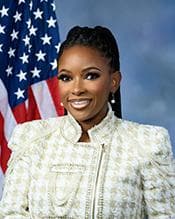
- Introduced
- 5/19/2026
- Last activity
- 5/19/2026 — Referred to the House Committee on the Judiciary.
- Sponsored by
- Jasmine Crockett
- Cosponsors
- - 1 - 0
- Introduced
- In Committee
What this bill would do
This bill, known as the "STOP TRUMP ACT," aims to amend title 31 of the United States Code. It prohibits the use of federal funds, including the Judgment Fund, to settle claims involving the President, their family, or certain political associates. These restrictions specifically target claims arising from alleged government weaponization, investigative activity, or law enforcement actions. Additionally, the bill prevents the creation of special commissions or funds to compensate people for alleged political targeting. The legislation also restricts the Department of Justice from representing the government when the President stands to benefit financially or politically. Finally, it mandates the repayment of any funds distributed in violation of these rules.
Yes
Does this reduce what the federal government spends?+5
The bill prohibits the use of federal funds, including the Judgment Fund, for specific political settlements and compensation programs.
Does this make the government pay for what it commits to?+5
The act mandates the repayment of funds disbursed in violation of its rules and restricts unauthorized compensation programs.
Does this make what the government does easier for the public to see?+4
The bill restricts the use of federal funds for political retribution and prohibits undisclosed compensation commissions.
The opposite
Would households on low incomes be better off under this?-2
The bill allows the Secretary of the Treasury to offset repayment obligations against benefit payments.
Would people with disabilities be better off under this?-2
The bill authorizes the offset of repayment obligations against benefit payments.
Who it would affect, and how
Potential Positive Impacts for People
-
Prevention of Fund Misuse: The bill prohibits using federal money, including the Judgment Fund, to settle claims by the President, their family, or political appointees regarding alleged government weaponization or investigative activities (Section 2(a)). This could prevent taxpayer money from being used for specific political or personal claims.
-
Restriction of Special Compensation Entities: It prevents the creation of new boards, commissions, or programs intended to pay people for allegations of political bias or retaliatory investigations (Section 2(a) and Section 2(b)). This ensures that no new entities are established to distribute funds based on these specific allegations.
-
Conflict of Interest Protections: The Department of Justice is prohibited from representing the United States in litigation where the President is a plaintiff or beneficiary seeking relief that could benefit the President or their family (Section 3). This creates a restriction on how the Department of Justice handles specific types of litigation.
-
Recoupment of Funds: The bill requires that any person or entity that receives funds in violation of this Act must repay the full amount to the U.S. Treasury (Section 2, subsection titled "Recoupment of Unlawfully Disbursed Funds"). This provides a mechanism to recover money that was distributed contrary to these new rules.
Potential Negative Impacts for People
-
Mandatory Repayment Burdens: Any individual or entity that receives funds in violation of this act, even if those funds were disbursed before the act was passed, is required to repay the full amount to the Treasury (Section 2, subsection titled "Recoupment of Unlawfully Disbursed Funds").
-
Aggressive Collection Methods: The Attorney General is authorized to use civil actions to recover unlawfully disbursed funds, which can include garnishment, attachment, or liens on real and personal property (Section 2, subsection titled "Recoupment of Unlawfully Disbursed Funds").
-
Offsetting of Legitimate Payments: The Secretary of the Treasury has the authority to take money owed to a recipient—such as tax refunds, grants, contracts, salaries, or benefit payments—to settle any repayment obligations caused by a violation of this act (Section 2, subsection titled "Recoupment of Unlawfully Disbursed Funds").
Groups and Interests Ranking
Every group the model scored this bill for, from -10 to +10. Hover a score for the reason it gave.
- Economy And Finance
- Improves Fiscal Responsibility+5Reduces Government Spending+5
- Demographic And Interest Groups
- Good For Low Income Households-2Good For People With Disabilities-2
- Governance And Ideology
- Improves Government Transparency+4
- 5/26/2026
- 1 Cosponsor added.
- 5/19/2026
- Referred to the House Committee on the Judiciary.
- Introduced in House
 Wesley Bell
Democrat · Missouri