Bill · H.R. 8877· House(119-HR-8877)
Improving Self-Sufficiency of Families in HUD-Subsidized Housing Act
- Introduced
- 5/19/2026
- Last activity
- 5/19/2026 — Referred to the House Committee on Financial Services.
- Sponsored by
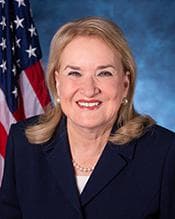
- Sylvia Garcia
- Cosponsors
- None
- Introduced
- In Committee
What this bill would do
This bill, titled the "Improving Self-Sufficiency of Families in HUD-Subsidized Housing Act," directs the Secretary of Housing and Urban Development to conduct a specific study. The study focuses on how public housing agencies have implemented work requirements through the Moving to Work demonstration. It requires looking at both the benefits and the challenges these requirements create for agencies and program participants. The scope includes evaluating effects on poverty, homelessness, earnings, and job retention. The Secretary must submit an initial report to specific Congressional committees within one year of enactment. This study is contingent upon certain determinations regarding the number of agencies available and the potential impact on low-income families.
Yes· 3 of 7
Does this make housing cost less?+1
The study examines the impacts of work requirements on homelessness rates and the administration of public housing.
Is this likely to lift people out of poverty?+1
The study is specifically tasked with evaluating the effects of work requirements on poverty rates.
Is this likely to reduce homelessness?+1
The study aims to consider how work requirements affect homelessness rates among program participants.
The opposite
No question was scored the opposite.
Who it would affect, and how
Potential Positive Impacts for People
-
Information on Economic Outcomes: The study aims to consider benefits related to asset building, earnings growth, and job attainment and retention for program participants (Section 2(a)(2)(A)).
-
Understanding Social Impacts: The study will look at how work requirements affect homelessness rates and poverty rates (Section 2(a)(2)(A)).
-
Inclusion of Participant Voices: The study process includes gathering qualitative evidence through interviews with program participants and their resident councils (Section 2(a)(2)(B)).
Potential Negative Impacts for People
- Potential Negative Impact of the Study Itself: The Secretary must determine that the study would not negatively impact low-income families receiving assistance through the specified public housing agencies before proceeding (Section 2(b)(2)).
Groups and Interests Ranking
Every group the model scored this bill for, from -10 to +10. Hover a score for the reason it gave.
- Social Issues And Justice
- Improves Affordable Housing+1Improves Poverty Reduction+1Reduces Homelessness+1
- Demographic And Interest Groups
- Good For Low Income Households+1Good For Urban Residents+1
- Economy And Finance
- Increases Job Creation+1
- Governance And Ideology
- Improves Government Transparency+1
- 5/19/2026
- Referred to the House Committee on Financial Services.
- Introduced in House
2 bills Congress.gov lists as related to this one — companions in the other chamber, earlier versions, and bills this one absorbed or was folded into.