Bill · H.R. 8840· House(119-HR-8840)
Fair Care Act of 2026
- Introduced
- 5/14/2026
- Last activity
- 5/14/2026 — Referred to the Committee on Energy and Commerce, and in addition to the Committees on Ways and Means, Education and Workforce, the Judiciary, Oversight and Government Reform, Rules, the Budget, Armed Services, and House Administration, for a period to be subsequently determined by the Speaker, in each case for consideration of such provisions as fall within the jurisdiction of the committee concerned.
- Sponsored by
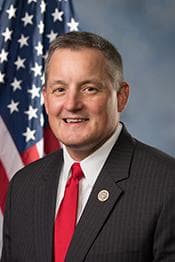
- Bruce Westerman
- Cosponsors
- None
- Introduced
- In Committee
What this bill would do
The Fair Care Act of 2026 aims to address high costs associated with health care services, prescription drugs, and health insurance coverage. It proposes significant changes to Health Savings Accounts (HSAs), including modernization of contributions and new rules for employer integration. The bill includes provisions to improve private health insurance by maintaining protections for patients with preexisting conditions and expanding coverage options. It also establishes new rules for competition, transparency, and accountability within the healthcare industry. Additionally, the legislation introduces various reforms for Medicare and Medicaid, including changes to payment models and telehealth expansion. The legislation implements significant changes to health insurance regulations, pharmacy practices, and hospital competition. It establishes an "Invisible Guaranteed Coverage Pool Reinsurance Program" to manage high-cost health risks and creates a new "copper" level of health plan coverage. The bill also introduces new rules for drug development, including expedited review for complex generics and conditional approval for drugs treating rare or serious diseases. Finally, the act includes extensive medical malpractice reforms and implements sweeping changes across several sectors, including drug exclusivity and Medicare/Medicaid systems.
Yes· 3 of 33
Would people in rural areas be better off under this?+6
The bill expands telehealth availability for rural health clinics and provides more flexibility for remote care.
Does this lower the price of prescription medicines?+6
The bill expedites generic competition, limits spread pricing, and facilitates biosimilar substitution to lower costs.
Does this make health care easier to get in general?+6
The bill enhances access through expanded telehealth, remote monitoring, new plan tiers, and increased premium assistance.
The opposite· 3 of 4
Does this raise taxes on the highest earners?-5
The bill repeals the net investment income tax, which would reduce taxes on high earners.
Does this shorten or soften prison sentences?-3
The bill implements various reforms to medical malpractice and legal proceedings which may affect litigation frequency.
Does this put more money into Medicaid, the health coverage for people on low incomes?-2
The bill limits Medicaid benefits for full-benefit dual eligible individuals in certain circumstances.
Who it would affect, and how
Potential Positive Impacts for People
-
Enhanced Health Savings Account Benefits: The bill allows for deductions for cash contributions to HSAs and provides rules for how these accounts can be used for qualified medical expenses, including menstrual care products (Sec. 101).
-
Increased Flexibility for Unused Credits: Taxpayers may elect to have excess premium tax credits deposited directly into their health savings accounts (Sec. 102).
-
State Innovation via HSA Funding: States can apply for waivers to distribute funding through health savings accounts of qualifying individuals rather than through traditional cost-saring reductions (Sec. 104).
-
Support for HSA Awareness: A grant program may be established to help educate consumers about health savings accounts and facilitate enrollment (Sec. 112).
-
Protection Against Discrimination: The bill prohibits insurance issuers from discriminating against individuals based on health status, medical conditions, or genetic information (Sec. 198 and Sec. 199).
-
Guaranteed Coverage: It requires health insurance issuers to accept every employer and individual that applies for coverage in a State, subject to certain limitations (Sec. 201).
-
Protection for Preexisting Conditions: The legislation prohibits the use of preexisting condition exclusions for coverage (Sec. 199).
-
Expanded Telehealth Access: The bill includes provisions to expand coverage and use of telehealth services, including for mental health and in emergency medical care (Sec. 431, 432, and 433).
-
Bankruptcy Protections for HSAs: Health savings accounts will be treated similarly to individual retirement accounts during bankruptcy proceedings (Sec. 101(d)).
-
Improved Access to Specialized Drugs: The bill creates a "conditional approval" pathway for drugs intended to treat rare, progressive, or serious diseases, allowing patients earlier access to treatments after evidence of safety and preliminary effectiveness is shown (Section 346(b)).
-
Lower Costs for High-Risk Individuals: The establishment of the "Invisible Guaranteed Coverage Pool Reinsurance Program" allows insurers to cede the risk of high-cost individuals to a pool, which is intended to do so without affecting the premium or coverage terms for those individuals (Section 221(c)(2)).
-
Increased Price Transparency: The bill requires hospitals to provide standard charges in a machine-readable format via open application program interfaces to help promote public awareness of pricing (Section 321(a)).
-
New Insurance Options: The creation of "copper" level plans provides a new tier of coverage designed to be actuarially equivalent to 50 percent of the full actuarial value, with specific out-of-pocket limits (Section 228(a)).
-
Faster Access to Generic Medicines: A new program is established to expedite the development and provide priority review for generic complex drug products (Section 341(a)).
-
Protection Against Anti-Competitive Terms: New rules prevent health plans from entering agreements that restrict them from directing enrollees to specific providers or offering incentives (Section 304(a)).
-
Faster Access to Critical Drugs: The bill establishes a "provisional approval" system that allows the Secretary to evaluate applications for drugs treating serious or life-threatening diseases or pandemic threats within 90 days, with rolling reviews available during emergencies (Section 356).
-
Insurance Coverage for New Treatments: Private health insurers and government health care programs are prohibited from denying coverage to drugs that have received provisional approval simply because they are considered experimental (Section 356).
-
Increased Transparency in Drug Pricing: The bill requires the Secretary to publish a searchable list of biological products and their associated patents, providing the public with better information regarding licensure and exclusivity (Section 361).
-
Enhanced Oversight of Pharmacy Benefits: Pharmacy benefit managers must adhere to new transparency criteria regarding patient data and the use of incentives for specific pharmacies (Section 363).
-
Support for Patients via a New Role: The Secretary is required to establish a "Patient Advocate General" to assist patients and families using drugs under the provisional approval pathway (Section 356).
-
Protection Against Legal Reductions for Patients: In health care lawsuits, the law ensures that claimants can recover the full amount of available economic damages (Section 383).
-
Liability Protection for Volunteers: Physicians providing qualified charity care will not be held liable for acts or omissions unless they are grossly negligent (Section 393).
-
Incentives for Chronic Care Quality: Medicaid states can receive bonus payments for meeting specific performance targets regarding chronic disease management (Section 401(f)).
-
Increased Medicare Competition and Choice: The bill creates a unified system allowing individuals to compare costs between traditional fee-for-service, Medicare Advantage, and provider-led, risk-bearing plans (Section 421).
-
Protection Against High Out-of-Pocket Costs: A new out-of-pocket limit is established for Medicare enrollees, which protects them once they reach a specific catastrophic threshold (Section 423).
-
Expanded Telehealth Access: The bill expands the types of services covered by telehealth, including respiratory, audiology, and outpatient therapy services (Section 431).
-
Improved Mental Health and Emergency Access: Geographic restrictions are removed for mental health services and emergency medical care delivered via telehealth (Sections 433 and 434).
-
Tax Benefits for Charity Care: Physicians can receive tax deductions for furnishing qualified charity care to Medicaid or CHIP beneficiaries (Section 406).
Potential Negative Impacts for People
-
Tax Penalties for Non-Medical Use of HSA Funds: Individuals may face a 20 percent tax on distributions from a health savings account that are not used exclusively for qualified medical expenses (Sec. 101(f)).
-
Loss of Certain Tax Benefits: The bill proposes the termination of certain tax-related benefits for health flexible spending arrangements, Archer MSAs, and health reimbursement arrangements (Sec. 101(c)).
-
Restrictions on Insurance Coverage: Health insurance issuers may be permitted to limit enrollment or deny coverage based on service area capacity or financial reserve limitations (Sec. 201(c)).
-
New Requirements for Employers: Corporations incorporated after December 31, 2026, may be barred from receiving certain tax benefits for offering employee health insurance, though they can still offer HSA contributions (Sec. 113).
-
Increased Financial Burden for Employers: The establishment of a new tax on health insurance plans sold through Exchanges ($4 per policy month) is a cost that may impact the market (Section 221(g)(1)).
-
Potential for Higher Premiums via Reinsurance: While the reinsurance program aims to protect coverage terms, insurers must pay a premium to the reinsurance pool (90 percent of the premium paid to the issuer), which is a cost-shifting mechanism (Section 221(c)(2)(B)).
-
Limited Liability for Drug Manufacturers: Under the conditional approval system for new drugs, legal liability for sponsors or manufacturers is limited absent intentional wrongdoing (Section 346(k)).
-
Increased Administrative Requirements for Hospitals: The bill mandates new data reporting requirements regarding the 340B drug discount program, which includes reporting costs for charity care and drug acquisition costs (Section 324(a)).
-
Potential Penalties for Non-Compliance: Hospitals that fail to provide required pricing information via machine-readable formats may be subject to civil monetary penalties of up to $300 per day (Section 321(a)).
-
Reduced Drug Exclusivity: The bill changes exclusivity periods for drugs designated for rare diseases and brand-name biological products, which may impact the duration of market exclusivity (Section 348, Section 351).
-
Restrictions on Lawsuit Damages: For health care liability claims, the bill imposes a $250,000 cap on noneconomic damages, such as pain and suffering (Section 383).
-
Shortened Windows for Legal Action: The bill establishes a statute of limitations that requires health care lawsuits to be commenced within three years of the occurrence or completion of treatment (Section 382).
-
Increased Burdens for Expert Witnesses: Expert witnesses must meet specific licensing and professional time requirements, and they are prohibited from testifying if their fee is contingent on the outcome of a case (Section 388, Section 389).
-
New Requirements for Lawsuit Filings: Plaintiffs must now file an "affidavit of merit" signed by a qualified health professional at the same time they initiate a lawsuit (Section 391).
-
Potential Liability Protections for Providers: Health care providers who prescribe or dispense FDA-approved or cleared medical products cannot be named as parties in a product liability lawsuit (Section 386).
-
New Rules for Medicare Enrollment: The bill introduces a process where individuals may be auto-enrolled in Medicare Advantage plans, though they retain the right to disenroll (Section 422(c)).
-
Income-Based Eligibility Changes: The bill includes rules that may limit the use of Federal payments for certain individuals based on income levels (Section 401(a)(3)(B)).
-
Potential Premium Increases for Transitions: Beneficiaries transitioning to the new Medicare system may face premium increases limited to $20 per month for a five-year period (Section 421(d)).
-
Changes to Medicare Eligibility: Certain individuals who have earned $10,000,000 or more in lifetime wages will be ineligible for Medicare coverage and Medigap policies starting in 2032 (Sections 413(a) and 413(b)).
Groups and Interests Ranking
Every group the model scored this bill for, from -10 to +10. Hover a score for the reason it gave.
- Demographic And Interest Groups
- Good For Rural Residents+6Good For High Income Households+5Good For Native Americans+5Good For Seniors+5Good For Women+5Good For Low Income Households+4Good For Middle Class Households+4Good For People With Disabilities+4Good For Retirees+4Good For Young Adults+4Good For Children+3Good For Veterans+1
- Healthcare
- Improves Healthcare Access+6Reduces Prescription Drug Costs+6Improves Mental Health Access+5Increases Affordable Care Act Support+5Reduces Hospital Costs+4Increases Medicare Funding+3Increases Research Funding+3Reduces Private Insurance Premiums+3Increases Medicaid Funding-2
- Economy And Finance
- Improves Consumer Protection+5Reduces Middle Class Taxes+4Improves Small Business Support+3Increases Corporate Taxes+3Improves Economic Growth+2Increases Job Creation+1Increases Wealthy Taxes-5
- Governance And Ideology
- Improves Government Transparency+4Increase States Rights+4Improves Privacy Rights+3
- Education And Technology
- Increases Scientific Research Funding+2
- Social Issues And Justice
- Improves Disability Rights+3Improves Poverty Reduction+2Improves Racial Equity+1Improves Criminal Sentencing Reform-3Improves Affordable Housing-1
- 5/14/2026
- Referred to the Committee on Energy and Commerce, and in addition to the Committees on Ways and Means, Education and Workforce, the Judiciary, Oversight and Government Reform, Rules, the Budget, Armed Services, and House Administration, for a period to be subsequently determined by the Speaker, in each case for consideration of such provisions as fall within the jurisdiction of the committee concerned.
- Introduced in House