Bill · H.R. 8739· House(119-HR-8739)
Brownfields Revitalization for a Better Tomorrow Act
- Introduced
- 5/12/2026
- Last activity
- 5/14/2026 — Forwarded by Subcommittee to Full Committee by Voice Vote.
- Sponsored by
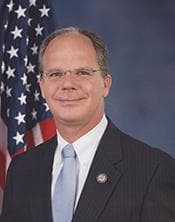
- Brett Guthrie
- Cosponsors
- None
- Introduced
- In Committee
What this bill would do
The Brownfields Revitalization for a Better Tomorrow Act aims to amend the Comprehensive Environmental Response, Compensation, and Liability Act of 1980. It increases funding for brownfield remediation and multipurpose grants. The bill expands eligible entities to include 501(c)(6) organizations. It also establishes new criteria for ranking grants, specifically focusing on former military installations and certain other activities. Additionally, the act provides for technical assistance for small communities and mandates various studies and reports.
Yes· 3 of 13
Does this better protect air, water and wildlife?+6
The bill increases funding and capacity for cleaning up contaminated brownfield sites.
Does this make it easier to run a small business?+4
The bill provides technical assistance and matches for small communities to help them secure grants.
Does this make what the government does easier for the public to see?+4
The bill requires states and tribes to maintain and update a public inventory of funded brownfield sites.
The opposite
No question was scored the opposite.
Who it would affect, and how
Potential Positive Impacts for People
-
Increased funding for site cleanup: The bill increases the amount for grants and loans for brownfield remediation to $1,000,000 for each site to be remediated (Section 2(b)).
-
Increased funding for multipurpose grants: The cap for multipurpose brownfields grants is increased from $1,000,000 to $2,000,000 (Section 2(c)).
-
Support for demolition needs: Recipients of certain grants or loans can now use up to 10 percent of their funds for demolition activities (Section 2(d)).
-
Technical assistance for small communities: The Administrator is directed to provide one grant per fiscal year in 2028 and 2029 to provide technical assistance to five covered applicants in small communities (Section 2(f)).
-
Financial relief for specific areas: The Administrator shall waive the matching share requirement for entities located in small communities or disadvantaged areas (Section 2(h)).
-
Improved transparency for States/Tribes: States or Indian tribes receiving certain grants must maintain and update a public inventory of all brownfield sites where funded activities occurred (Section 3).
Potential Negative Impacts for People
- No specific negative impacts are explicitly detailed within the text of the bill.
Groups and Interests Ranking
Every group the model scored this bill for, from -10 to +10. Hover a score for the reason it gave.
- Demographic And Interest Groups
- Good For Low Income Households+3Good For Rural Residents+3Good For Urban Residents+3Good For Hispanic Americans+2Good For Middle Class Households+2
- Environment Energy And Infrastructure
- Improves Environmental Protections+6Improves Rural Development+3
- Economy And Finance
- Improves Small Business Support+4Increases Job Creation+3
- Governance And Ideology
- Improves Government Transparency+4
- Social Issues And Justice
- Improves Affordable Housing+2Improves Poverty Reduction+2
- National Security And Foreign Policy
- Improves Veterans Benefits+2
- 5/14/2026
- Subcommittee Consideration and Mark-up Session Held
- Forwarded by Subcommittee to Full Committee by Voice Vote.
- 5/12/2026
- Referred to the Subcommittee on Environment.
- Referred to the Committee on Energy and Commerce, and in addition to the Committee on Transportation and Infrastructure, for a period to be subsequently determined by the Speaker, in each case for consideration of such provisions as fall within the jurisdiction of the committee concerned.
- Introduced in House