Bill · H.R. 8735· House(119-HR-8735)
American Sovereignty and Monterey Historic Military Site Study Act
- Introduced
- 5/12/2026
- Last activity
- 5/21/2026 — Subcommittee Hearings Held
- Sponsored by
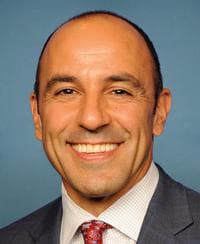
- Jimmy Panetta
- Cosponsors
- None
- Introduced
- In Committee
What this bill would do
This bill, titled the "American Sovereignty and Monterey Historic Military Site Study Act," directs the Secretary of the Interior to perform a special resource study of Lower Presidio Historic Park in Monterey, California. The study aims to evaluate the area's national significance and determine if it is suitable and feasible to be designated as a unit of the National Park System. It also requires looking at other ways to preserve and interpret the site through various government or private entities. The Secretary must consult with various interested groups, including Tribes and local governments, during this process. Finally, the Secretary is required to submit a report containing the study's results and recommendations to Congress within three years of receiving funds.
Yes· 3 of 7
Would Native Americans be better off under this?+4
The study focuses on preserving land that served as a center for indigenous culture and burial grounds for the Esselen and Rumsen peoples.
Does this better protect air, water and wildlife?+3
The study evaluates the suitability of the area for designation as a National Park unit to aid in preservation.
Does this narrow racial gaps in how people are treated?+3
The study includes consultation with Tribes to evaluate the preservation of indigenous culture and history.
The opposite
Does this reduce what the federal government spends?-2
The bill requires the Secretary to identify cost estimates for federal acquisition and maintenance, which may lead to future increased spending.
Who it would affect, and how
Potential Positive Impacts for People
-
Preservation of Cultural Heritage: The bill notes that the site includes burial grounds for the Esselen and Rumsen people and was a center of indigenous culture (Section 2). A study could lead to better protection of these historical and cultural assets.
-
Evaluation of National Park Designation: The Secretary is tasked with determining if the area is suitable to become a unit of the National Park System (Section 4, subsection b, paragraph 2). This could lead to formal recognition of the site's historical significance to the nation.
-
Stakeholder Involvement: The study requires the Secretary to consult with Tribes, State or local government entities, and private or nonprofit organizations (Section 4, subsection b, paragraph 4), ensuring that interested groups have a voice in the process.
-
Identification of Preservation Alternatives: The Secretary must consider various ways to protect and interpret the area, including through local government or private organizations (Section 4, subsection b, paragraph 3), which could offer diverse ways to manage the site.
Potential Negative Impacts for People
- Financial Costs: The study requires identifying cost estimates for Federal acquisition, development, operation, and maintenance (Section 4, subsection b, paragraph 5), which implies potential future spending of public funds if the site is designated as a National Park.
Groups and Interests Ranking
Every group the model scored this bill for, from -10 to +10. Hover a score for the reason it gave.
- Demographic And Interest Groups
- Good For Native Americans+4Good For Veterans+2Good For Rural Residents+1
- Environment Energy And Infrastructure
- Improves Environmental Protections+3
- Social Issues And Justice
- Improves Racial Equity+3
- Economy And Finance
- Reduces Government Spending-2
- Governance And Ideology
- Improves Government Transparency+2
- National Security And Foreign Policy
- Improves Veterans Benefits+2
- 5/21/2026
- Subcommittee Hearings Held
- 5/12/2026
- Referred to the House Committee on Natural Resources.
- Referred to the Subcommittee on Federal Lands.
- Introduced in House