Bill · H.R. 8705· House(119-HR-8705)
CHARLIE Act
- Introduced
- 5/7/2026
- Last activity
- 5/21/2026 — Ordered to be Reported (Amended) by the Yeas and Nays: 19 - 15.
- Sponsored by
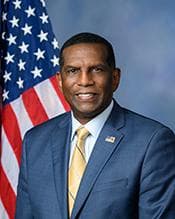
- Burgess Owens
- Cosponsors
- - 1 - 0
- Introduced
What this bill would do
This bill is known as the Civics and History Advancement to Restore Learning, Integrity, and Education Act or the CHARLIE Act. It was introduced in the House of Representatives on May 7, 2026. The legislation amends the Elementary and Secondary Education Act of 1965. Its stated purpose is to prevent the American History and Civics program from funding radical indoctrination. Specifically, it places prohibitions on how grant funds can be used and how priorities can be set.
Yes
Does this give the federal government more power?+5
The bill increases federal oversight by placing specific ideological prohibitions on how federal grant funds are used in education.
Would white Americans be better off under this?+2
The bill aims to ensure educational funds are not used for ideologies that some may perceive as detrimental to traditional civic learning.
The opposite· 3 of 11
Would LGBTQ people be better off under this?-7
The bill specifically restricts funding and priority related to sexual orientation and gender identity.
Would immigrants be better off under this?-5
The bill prohibits prioritizing entities based on immigration status.
Does this expand the rights of LGBTQ people?-5
The bill prohibits funding based on sexual orientation or gender identity, which may limit support for LGBTQ+ educational initiatives.
Who it would affect, and how
Potential Positive Impacts for People
-
Section 2, adding new subsection (c)(1), prohibits the use of American History and Civics funds for discriminatory equity ideology or gender ideology. This could be viewed as a positive outcome by individuals who want to ensure federal education funds are not directed toward these specific ideologies.
-
Section 2, adding new subsection (c)(2), states that the Secretary may not give priority to an eligible entity for grants based on race, sex, sexual orientation, gender identity, or immigration status. This might be seen as a benefit by those who believe grant distribution should not factor in these specific characteristics.
Potential Negative Impacts for People
-
Section 2, adding new subsection (c)(1), bans the use of program funds for discriminatory equity ideology or gender ideology. This could be considered a negative outcome or burden by individuals or groups who support these ideologies and wish to see federal education funding support them.
-
Section 2, adding new subsection (c)(2), prevents the Secretary from giving priority to entities based on race, sex, sexual orientation, gender identity, or immigration status regarding who controls them, who is employed by them, who they serve, or their proposed activities. This might be viewed negatively by applicants or groups who rely on or advocate for priority status based on these specific categories.
Groups and Interests Ranking
Every group the model scored this bill for, from -10 to +10. Hover a score for the reason it gave.
- Demographic And Interest Groups
- Good For White Americans+2Good For L G B T Q Community-7Good For Immigrants-5Good For African Americans-4Good For Hispanic Americans-4Good For Native Americans-3Good For Women-3Good For Asian Americans-2Good For Low Income Households-2
- Social Issues And Justice
- Improves Gender Equality-5Improves L G B T Q Rights-5Improves Racial Equity-5
- Governance And Ideology
- Increases Federal Power+5
- 9/16/2026
- 1 Cosponsor added.
- 5/21/2026
- Committee Consideration and Mark-up Session Held
- Ordered to be Reported (Amended) by the Yeas and Nays: 19 - 15.
- 5/7/2026
- Referred to the House Committee on Education and Workforce.
- Introduced in House
 Ken Calvert
Republican · California