Bill · H.R. 8681· House(119-HR-8681)
SHIELD Act
- Introduced
- 5/7/2026
- Last activity
- 5/7/2026 — Referred to the Committee on Foreign Affairs, and in addition to the Committee on the Judiciary, for a period to be subsequently determined by the Speaker, in each case for consideration of such provisions as fall within the jurisdiction of the committee concerned.
- Sponsored by
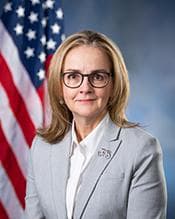
- Madeleine Dean
- Cosponsors
- None
- Introduced
- In Committee
What this bill would do
The SHIELD Act aims to impose sanctions on any foreign person that uses forced or child labor in the cobalt mining sector of a foreign country. The President is authorized to block assets and prohibit transactions involving property held by or coming into the United States. Additionally, the bill makes certain aliens inadmissible to the United States and requires the revocation of current visas. Exceptions are provided for international obligations and humanitarian assistance, such as food and medicine. The President can waive these sanctions if it is important to national security interests. This authority is set to expire seven years after the Act is enacted.
Yes
Does this give people more protection from unfair business practices?+3
The bill seeks to reduce the use of forced and child labor in supply chains, which can improve ethical consumer protections.
Does this tighten control of the border?+2
The bill tightens entry requirements by making certain aliens inadmissible to the United States.
Would households on low incomes be better off under this?+2
The bill aims to curb the exploitation of child and forced labor which disproportionately affects low-income populations.
The opposite
Does this make it easier for immigrants already here to become citizens?-5
The bill makes specific aliens ineligible for various benefits under the Immigration and Nationality Act.
Would immigrants be better off under this?-4
The bill imposes strict ineligibility and visa revocation for specific groups of aliens.
Does this make trade with other countries easier?-2
The bill imposes sanctions and asset blocking that may disrupt established trade relationships in the cobalt sector.
Who it would affect, and how
Potential Positive Impacts for People
-
Economic costs on human rights abuses: The bill seeks to impose economic costs on foreign entities that utilize forced labor and child labor in cobalt mining sectors (Section 2).
-
Asset blocking to prevent financial gain: The President can block and prohibit all transactions in property and interests in property of foreign persons to prevent them from utilizing property in or coming into the United States (Section 3(b)(1)).
-
Prevention of entry for those employing illegal labor: The bill makes aliens subject to sanctions inadmissible to the United States and ineligible for visas or parole (Section 3(b)(2)(A)).
-
Protection of humanitarian efforts: Sanctions are not applied to transactions involving the sale of food, medicine, medical devices, or the provision of humanitarian assistance (Section 3(c)(2)).
Potential Negative Impacts for People
-
Visa revocation: Current visas or entry documentation for certain aliens will be revoked, regardless of when they were issued (Section 3(b)(2)(B)).
-
Ineligibility for benefits: Aliens subject to these sanctions are considered ineligible to receive any other benefit under the Immigration and Nationality Act (Section 3(b)(2)(A)(iii)).
Groups and Interests Ranking
Every group the model scored this bill for, from -10 to +10. Hover a score for the reason it gave.
- Economy And Finance
- Improves Consumer Protection+3
- Social Issues And Justice
- Improves Border Security+2Improves Pathway To Citizenship-5
- Demographic And Interest Groups
- Good For Low Income Households+2Good For Immigrants-4
- National Security And Foreign Policy
- Improves International Trade-2
- 5/7/2026
- Referred to the Committee on Foreign Affairs, and in addition to the Committee on the Judiciary, for a period to be subsequently determined by the Speaker, in each case for consideration of such provisions as fall within the jurisdiction of the committee concerned.
- Introduced in House