Bill · H.R. 8585· House(119-HR-8585)
Community Multi-Share Coverage Program Act of 2026
- Introduced
- 4/29/2026
- Last activity
- 4/29/2026 — Referred to the Committee on Energy and Commerce, and in addition to the Committee on Education and Workforce, for a period to be subsequently determined by the Speaker, in each case for consideration of such provisions as fall within the jurisdiction of the committee concerned.
- Sponsored by
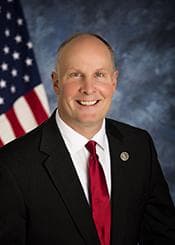
- John Moolenaar
- Cosponsors
- - 1 - 0
- Introduced
- In Committee
What this bill would do
This bill, known as the "Community Multi-Share Coverage Program Act of 2026," directs the Secretary of Health and Human Services to award between 3 and 5 grants to support community-based health programs. These programs are designed to provide health coverage and integrated social services to qualifying individuals and small business workers. The goal is to reduce the number of uninsured people while promoting workforce development and economic self-sufficiency. Programs must include physical community presences and establish connections with local hospitals and employers. The initiative aims to help small businesses remain competitive in hiring by providing affordable coverage.
Yes· 3 of 13
Would households on low incomes be better off under this?+7
The bill provides affordable health coverage and services targeting individuals with limited income and assets.
Does this make health care easier to get in general?+7
The bill creates a community-based program to reduce the number of uninsured individuals through affordable coverage options.
Would middle-income households be better off under this?+5
The program targets individuals with incomes exceeding Medicaid limits but below 400 percent of the federal poverty line.
The opposite
No question was scored the opposite.
Who it would affect, and how
Potential Positive Impacts for People
-
Improved Health Access: The program provides coverage for various services including physician services, hospital services, behavioral health, preventative services, prescription drugs, and emergency services (Section 2(b)(2)(A)).
-
Reduced Financial Barriers to Care: The health coverage required by the program imposes no deductible and limits co-payments to levels that do not prevent patient access (Section 2(b)(2)(B)).
-
Economic Support and Workforce Development: Programs aim to promote long-term economic self-sufficiency and address psycho-social barriers that impact employment success (Section 2(a)(2)).
-
Support for Small Businesses: The bill seeks to support small business economic recovery by helping these businesses be competitive in hiring and providing high-quality coverage to workers (Section 2(a)(3)).
-
Personalized Care Planning: Each enrollee receives an individualized plan and assessments to identify negative influences on their physical, emotional, and economic health (Section 2(b)(4)(C)).
Potential Negative Impacts for People
-
Risk of Losing Coverage: A program may rescind an individual's enrollment if they fail to meet minimum engagement and personal growth thresholds (Section 2(b)(6)(B)).
-
Potential for Limited Enrollment: If a program cannot serve everyone in its area, it will have a policy to determine which individuals are offered enrollment (Section 2(b)(6)(A)).
-
Financial Obligations: The program's costs are shared among several entities, including the enrollees themselves (Section 2(b)(5)(A)(iii)).
Groups and Interests Ranking
Every group the model scored this bill for, from -10 to +10. Hover a score for the reason it gave.
- Demographic And Interest Groups
- Good For Low Income Households+7Good For Business Owners+5Good For Middle Class Households+5Good For Union Workers+3Good For Young Adults+3
- Healthcare
- Improves Healthcare Access+7Reduces Prescription Drug Costs+4Increases Medicaid Funding+2
- Economy And Finance
- Improves Small Business Support+5Improves Economic Growth+3Increases Job Creation+3
- Social Issues And Justice
- Improves Poverty Reduction+4
- Education And Technology
- Improves School Choice+2
- 4/29/2026
- Referred to the Committee on Energy and Commerce, and in addition to the Committee on Education and Workforce, for a period to be subsequently determined by the Speaker, in each case for consideration of such provisions as fall within the jurisdiction of the committee concerned.
- 1 Cosponsor added.
- Introduced in House
 Bill Huizenga
Republican · Michigan