Bill · H.R. 8571· House(119-HR-8571)
TREY'S Law
- Introduced
- 4/29/2026
- Last activity
- 4/29/2026 — Referred to the House Committee on the Judiciary.
- Sponsored by
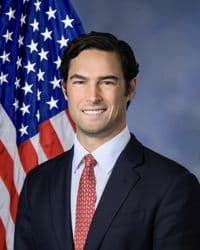
- Brandon Gill
- Cosponsors
- - 11 - 3
- Introduced
- In Committee
What this bill would do
This bill is known as the Terminating Restrictive Enforcement of Youth Settlements Law, or TREY'S Law. It makes any contractual clause that stops someone from talking about the sexual abuse of a minor completely void and unenforceable. The bill stops these gag orders so that survivors and witnesses can freely report crimes to law enforcement, child protection authorities, regulators, and the courts. It applies to contracts made before, on, or after the date the bill becomes law. It also overrides any state laws that allow these kinds of restrictive clauses to be enforced.
Yes· 3 of 8
Would children be better off under this?+10
Directly protects minors by preventing the concealment of their sexual abuse.
Does this protect the individual right to speak freely?+8
Protects the right of survivors to disclose sexual abuse without civil liability.
Does this protect what people are allowed to say in public life?+8
Prevents the use of contracts to silence victims of child sexual abuse.
The opposite
Does this leave more decisions to the states?-5
It supersedes state laws that would otherwise allow the enforcement of specific nondisclosure clauses.
Who it would affect, and how
Potential Positive Impacts for People
-
Section 4(a): This section makes nondisclosure clauses void and unenforceable if they stop a victim, alleged victim, or any other person from disclosing sexual abuse against a minor or related facts. This is positive because it ensures that survivors and witnesses can freely report abuse and talk about it without fear of being sued or punished.
-
Section 5(a) and Section 5(b): These provisions apply the law retroactively to any contract entered into before, on, or after the enactment date and ban anyone from trying to enforce these illegal gag orders. This is a positive step for accountability because it means old agreements hiding child sexual abuse can no longer be used to silence people.
Potential Negative Impacts for People
- Section 4(b): This section allows parties to still enter into confidentiality agreements that restrict the disclosure of things like settlement amounts and payment terms. While victims can still talk about the abuse itself, the continued secrecy around financial payouts might keep parts of settlements hidden from the public eye.
Groups and Interests Ranking
Every group the model scored this bill for, from -10 to +10. Hover a score for the reason it gave.
- Governance And Ideology
- Improves Freedom Of Speech+8Improves Due Process+7Improves Government Transparency+7Increases Federal Power+5Increase States Rights-5
- Demographic And Interest Groups
- Good For Children+10Good For Students+5Good For Young Adults+5
- Social Issues And Justice
- Improves Freedom Of Speech+8
- 9/21/2026
- 1 Cosponsor added.
- 9/14/2026
- 1 Cosponsor added.
- 9/3/2026
- 1 Cosponsor added.
- 6/18/2026
- 1 Cosponsor added.
- 6/15/2026
- 1 Cosponsor added.
- 6/4/2026
- 3 Cosponsors added.
- 4/30/2026
- 1 Cosponsor added.
- 4/29/2026
- Referred to the House Committee on the Judiciary.
- 5 Cosponsors added.
- Introduced in House
One bill Congress.gov lists as related to this one — companions in the other chamber, earlier versions, and bills this one absorbed or was folded into.
 Robert Aderholt
Republican · Alabama
 Clay Fuller
Republican · Georgia
 Lance Gooden
Republican · Texas
 Craig Goldman
Republican · Texas
 Wesley Hunt
Republican · Texas
 Ronny Jackson
Republican · Texas
 Julie Johnson
Democrat · Texas
 Timothy Kennedy
Democrat · New York
 Nancy Mace
Republican · South Carolina
 Cory Mills
Republican · Florida
 John Mannion
Democrat · New York
 Gary Palmer
Republican · Alabama
 Keith Self
Republican · Texas
 Derek Schmidt
Republican · Kansas