Bill · H.R. 8536· House(119-HR-8536)
Fuel STAR Act of 2026
- Introduced
- 4/28/2026
- Last activity
- 4/28/2026 — Referred to the House Committee on Energy and Commerce.
- Sponsored by
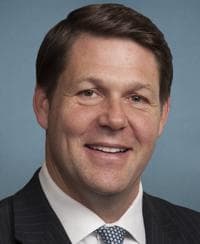
- Jodey Arrington
- Cosponsors
- - 3 - 0
- Introduced
- In Committee
What this bill would do
The Fuel STAR Act of 2026 seeks to amend the Clean Air Act to reform the Renewable Fuel Standard. It establishes limits on the volume of renewable fuel that is not advanced biofuel based on domestic consumption projections. The bill changes how certain credits are used and prohibits the requirement to use electric credits. It also creates new provisions for small refineries to seek exemptions from compliance due to economic hardship. Finally, the act updates regulations regarding the year-round sale of E15 fuel blends.
Yes· 3 of 4
Does this make it easier to run a small business?+5
The bill establishes new criteria for small refineries to obtain economic hardship exemptions.
Would business owners be better off under this?+4
The bill provides specific regulatory relief and exemption paths for owners of small refineries.
Is this likely to create jobs?+2
Providing exemptions for small refineries based on economic hardship helps preserve their operational viability.
The opposite
Does this cut the pollution that drives climate change?-2
The bill limits the growth of advanced biofuel requirements and focuses on ethanol-based blends.
Does this reduce how much oil, gas and coal is produced?-2
By easing restrictions on ethanol blends and refinery exemptions, the bill may support traditional fuel infrastructure over newer transitions.
Who it would affect, and how
Potential Positive Impacts for People
-
Protection for Small Refineries: Under Section 2, paragraph (9), small refineries (defined as those with an average aggregate daily crude oil throughput not exceeding 10,000 barrels and starting production on or after January 1, 2007) can receive exemptions from compliance requirements due to disproportionate economic hardship. Section 2(a)(3)(A)(iii).
-
Streamlined Exemption Process: The bill introduces a rule where if the Administrator fails to respond to a petition within a 90-day period, the petition is considered granted. Section 2(a)(3)(B)(iii).
-
Specific Economic Protections: Small refineries can use specific economic factors to demonstrate hardship, such as the cost of credits relative to revenue, the risk of a refinery ceasing to operate, or whether they are building infrastructure to blend biofuels. Section 2(a)(3)(B)(ii).
-
Fuel Availability: The bill updates regulations regarding fuel blends containing between 10 and 15 percent denatured anhydrous ethanol. Section 2(b)(1).
Potential Negative Impacts for People
-
Volume Restrictions: The bill mandates that the applicable volume for renewable fuel that is not advanced biofuel cannot exceed projected annual domestic consumption of ethanol blended fuel. Section 2(a)(1).
-
Restrictions on Credit Usage: While the bill allows for the extended duration of certain credits generated between 2020 and 2022, it limits the amount of these specific credits a person can use to no more than 20 percent of the credits used to demonstrate compliance in a calendar year. Section 2(a)(2)(B).
-
Limitations on Holding Company Exemptions: The Administrator is prohibited from approving petitions for small refineries under the control of a holding company if the resulting total exempted volume exceeds certain production thresholds or capacities. Section 2(a)(3)(B)(v).
Groups and Interests Ranking
Every group the model scored this bill for, from -10 to +10. Hover a score for the reason it gave.
- Economy And Finance
- Improves Small Business Support+5Increases Job Creation+2
- Demographic And Interest Groups
- Good For Business Owners+4Good For Rural Residents+2
- Environment Energy And Infrastructure
- Reduces Carbon Emissions-2Reduces Fossil Fuel Production-2
- 5/12/2026
- 1 Cosponsor added.
- 5/7/2026
- 1 Cosponsor added.
- 4/28/2026
- Referred to the House Committee on Energy and Commerce.
- 1 Cosponsor added.
- Introduced in House
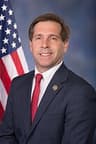 Charles Fleischmann
Republican · Tennessee
 Nathaniel Moran
Republican · Texas
 Thomas Tiffany
Republican · Wisconsin