Bill · H.R. 8511· House(119-HR-8511)
Ending Discrimination in Government Contracting Act
- Introduced
- 4/27/2026
- Last activity
- 4/27/2026 — Referred to the Committee on Oversight and Government Reform, and in addition to the Committees on Small Business, Transportation and Infrastructure, and Armed Services, for a period to be subsequently determined by the Speaker, in each case for consideration of such provisions as fall within the jurisdiction of the committee concerned.
- Sponsored by
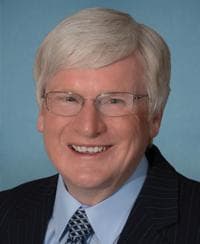
- Glenn Grothman
- Cosponsors
- None
- Introduced
- In Committee
What this bill would do
This bill, titled the "Ending Discrimination in Government Contracting Act," aims to eliminate preferences for businesses owned by women and socially or economically disadvantaged individuals in federal contracting. It amends the Small Business Act to remove specific protections and definitions related to these groups. The legislation also modifies participation goals for Department of Transportation and other government programs. Additionally, it prohibits federal agencies from considering race, ethnicity, or sex when granting contracts or awards. Agencies will be required to update their rules and guidance to remove these considerations.
Yes
Would veterans be better off under this, taking everything together?+5
The bill preserves and simplifies priority status for service-disabled veteran-owned small businesses.
Does this increase the pay, pensions or support veterans receive?+4
The bill maintains and clarifies priority for small business concerns owned and controlled by service-disabled veterans.
Would white Americans be better off under this?+3
The bill removes race-based and sex-based preferences in government contracting, which benefits those not in disadvantaged categories.
The opposite· 3 of 7
Would women be better off under this?-7
The bill removes various federal references to and protections for businesses owned and controlled by women.
Does this narrow racial gaps in how people are treated?-6
The bill eliminates federal preferences and participation goals designed to support socially and economically disadvantaged individuals.
Does this narrow the gap between how men and women are treated?-6
The bill removes specific business preferences and reporting requirements for businesses owned and controlled by women.
Who it would affect, and how
Potential Positive Impacts for People
-
Protection against racial, ethnic, or sex-based preferences: The bill prohibits agency heads from taking into consideration the race, ethnicity, or sex of individuals managing businesses when granting contracts or awards (Section 5(a)).
-
Standardization of contract requirements: The bill prevents agencies from placing requirements on contractors that encourage or require them to consider the race, ethnicity, or sex of people they award subcontracts to (Section 5(a)).
-
Priority for veterans: The bill adjusts various acts to provide priority for small business concerns owned and controlled by veterans (Section 2(b)).
Potential Negative Impacts for People
-
Loss of advantages for women-owned businesses: The bill removes various references to small business concerns owned and controlled by women across multiple acts, including the Small Business Act and the American Rescue Plan Act of 2021 (Section 2).
-
Loss of advantages for socially and economically disadvantaged individuals: The bill strikes several provisions that currently provide preferences or specific definitions for businesses owned by socially and economically disadvantaged individuals (Section 2).
-
Reduction in participation goals for airport projects: The bill changes the written assurances for Airport Improvement Project Grants by lowering certain percentages and removing references to disadvantaged individuals (Section 3(a)).
-
Elimination of specific reporting requirements: The bill removes requirements for reporting the number of small businesses owned by women or socially and economically disadvantaged individuals (Section 4(a)).
Groups and Interests Ranking
Every group the model scored this bill for, from -10 to +10. Hover a score for the reason it gave.
- Demographic And Interest Groups
- Good For Veterans+5Good For White Americans+3Good For Women-7Good For African Americans-5Good For Hispanic Americans-5Good For Low Income Households-4
- Social Issues And Justice
- Improves Gender Equality-6Improves Racial Equity-6
- Economy And Finance
- Improves Small Business Support-5
- National Security And Foreign Policy
- Improves Veterans Benefits+4
- 4/27/2026
- Referred to the Committee on Oversight and Government Reform, and in addition to the Committees on Small Business, Transportation and Infrastructure, and Armed Services, for a period to be subsequently determined by the Speaker, in each case for consideration of such provisions as fall within the jurisdiction of the committee concerned.
- Introduced in House
One bill Congress.gov lists as related to this one — companions in the other chamber, earlier versions, and bills this one absorbed or was folded into.