Bill · H.R. 8504· House(119-HR-8504)
Rural Health Resilience Act of 2026
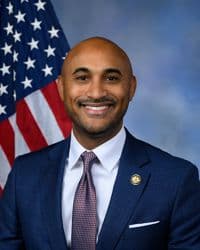
- Introduced
- 4/27/2026
- Last activity
- 4/27/2026 — Referred to the House Committee on Agriculture.
- Sponsored by
- Shomari Figures
- Cosponsors
- - 4 - 2
- Introduced
- In Committee
What this bill would do
The Rural Health Resilience Act of 2026 aims to provide affordable financing to help rural health centers stay open or maintain essential services. It directs the Secretary to provide loans and loan guarantees to eligible health centers facing financial distress. To qualify, centers must be located in or serve rural communities and demonstrate financial struggles through indicators like low cash reserves or low operating margins. The bill defines various types of eligible health centers, including hospitals and community health clinics. Funds can be used for facility upgrades, operational costs, or debt payments. Finally, the Secretary must report on the program's outcomes to Congress within 18 months.
Yes· 3 of 9
Would people in rural areas be better off under this?+8
The bill is specifically designed to protect and maintain essential health services for people living in rural areas.
Does this make health care easier to get in general?+7
The bill provides loans and guarantees to help rural health centers prevent closure and maintain essential medical services.
Does this invest in rural communities?+6
The bill invests in the financial stability and physical infrastructure of health facilities within rural communities.
The opposite
No question was scored the opposite.
Who it would affect, and how
Potential Positive Impacts for People
-
Preventing facility closures: The Secretary will provide loans and loan guarantees to help prevent rural health centers from closing or reducing essential services (Section 2(a)).
-
Maintaining essential services: Loan proceeds can be used to restore the provision of essential services by a health center (Section 2(c)).
-
Improving facilities and equipment: Funds can be used for projects to acquire, repair, or upgrade the systems, facilities, and equipment of the health center (Section 2(c)(1)).
-
Supporting operational stability: Loans can cover operational costs such as supplies and payroll expenses to keep the center running (Section 2(c)(2)).
-
Addressing financial debt: The assistance can be used for debt payments, working capital, or refinancing high-interest debt incurred for patient care operations (Section 2(c)(3)).
-
Prioritizing vulnerable areas: The Secretary may prioritize assistance to providers in high poverty areas or areas with a shortage of personal health services (Section 2(b)(3)(A)).
Potential Negative Impacts for People
- Restrictions on payroll use: While loans can cover payroll expenses, they cannot be used for bonuses (Section 2(c)(2)).
Groups and Interests Ranking
Every group the model scored this bill for, from -10 to +10. Hover a score for the reason it gave.
- Healthcare
- Improves Healthcare Access+7Improves Mental Health Access+5Improves Opioid Crisis Response+5
- Demographic And Interest Groups
- Good For Rural Residents+8Good For Low Income Households+5Good For African Americans+2
- Environment Energy And Infrastructure
- Improves Rural Development+6
- Social Issues And Justice
- Improves Racial Equity+3Improves Poverty Reduction+2
- 5/21/2026
- 1 Cosponsor added.
- 4/28/2026
- 1 Cosponsor added.
- 4/27/2026
- Referred to the House Committee on Agriculture.
- 4 Cosponsors added.
- Introduced in House
 Joyce Beatty
Democrat · Ohio
 Don Bacon
Republican · Nebraska
 Janelle Bynum
Democrat · Oregon
 Terri Sewell
Democrat · Alabama
 Bennie Thompson
Democrat · Mississippi
 Derrick Van Orden
Republican · Wisconsin