Bill · H.R. 8486· House(119-HR-8486)
Data Driven Suicide Prevention and Outreach Act of 2026
- Introduced
- 4/23/2026
- Last activity
- 4/23/2026 — Referred to the House Committee on Veterans' Affairs.
- Sponsored by
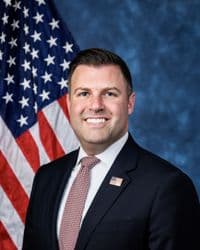
- Ryan Mackenzie
- Cosponsors
- - 0 - 1
- Introduced
- In Committee
What this bill would do
This bill, known as the ``Data Driven Suicide Prevention and Outreach Act of 2026'', directs the Secretary of Veterans Affairs to create a new grant program. The program aims to fund the development of predictive models that use artificial intelligence to identify risk factors contributing to suicide among veterans. These grants will be awarded to eligible organizations, such as nonprofits or academic institutions, that have experience in AI and health data analysis. The Secretary must select at least two organizations to receive these grants. The program is intended to integrate various types of veteran data to improve outcomes. The authority for this pilot program ends on September 30, 2029.
Yes· 3 of 5
Would veterans be better off under this, taking everything together?+7
The bill provides specific tools and research aimed at preventing suicide among the veteran population.
Does this make mental health care easier to get?+6
The bill funds AI predictive models to identify suicide risk factors to improve mental health interventions for veterans.
Does this put more money into scientific research?+5
The bill establishes a grant program for research into AI-driven predictive models for veteran health.
The opposite
Does this protect people from being watched or searched?-2
The reliance on large-scale integration of clinical and military service records introduces inherent privacy risks for veterans.
Who it would affect, and how
Potential Positive Impacts for People
-
Suicide Prevention Development: The bill seeks to use artificial intelligence to develop predictive models that evaluate risk factors contributing to the incidence of suicide among veterans (Section 2, subsection a).
-
Priority for High-Need Areas: Priority for grants is given to organizations located in areas characterized by a high rate of suicide among veterans, a high rate of calls to the Veterans Crisis Line, and long wait times for mental health care services (Section 2, subsection d, paragraph 3, sub-paragraph A).
-
Improved Data Integration: The program requires that predictive models have the capability to integrate military service records from the Veterans Benefits Administration with clinical data from the Veterans Health Administration (Section 2, subsection e).
-
Focus on Actionable Tools: The bill prioritizes organizations that can deliver tools that are explicable, interoperable, and clinically actionable (Section 2, subsection d, paragraph 3, sub-paragraph C).
Potential Negative Impacts for People
- Data Security Risks: While the bill requires organizations to have experience in de-identification and the protection of personally identifiable and protected health information (Section 2, subsection b, paragraph 2), the use of large, complex health datasets and artificial intelligence always carries inherent risks regarding data security and privacy.
Groups and Interests Ranking
Every group the model scored this bill for, from -10 to +10. Hover a score for the reason it gave.
- Demographic And Interest Groups
- Good For Veterans+7
- Healthcare
- Improves Mental Health Access+6
- Education And Technology
- Increases Scientific Research Funding+5
- National Security And Foreign Policy
- Improves Veterans Benefits+5
- Governance And Ideology
- Improves Government Transparency+2Improves Privacy Rights-2
- 4/23/2026
- Referred to the House Committee on Veterans' Affairs.
- 1 Cosponsor added.
- Introduced in House
 Josh Gottheimer
Democrat · New Jersey