Bill · H.R. 8396· House(119-HR-8396)
ACCESS Act of 2026.
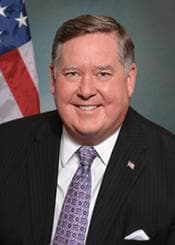
- Introduced
- 4/21/2026
- Last activity
- 4/21/2026 — Referred to the House Committee on the Judiciary.
- Sponsored by
- Ken Calvert
- Cosponsors
- - 2 - 1
- Introduced
- In Committee
What this bill would do
This bill, known as the "ACCESS Act of 2026," aims to amend the Americans with Disabilities Act of 1990. It seeks to promote compliance through education programs developed by the Department of Justice. The legislation introduces a notice and cure period that must occur before a private civil action can be started regarding certain barriers. It also requires specific details to be included in written notices regarding accessibility issues. Additionally, the bill directs the development of a model program for alternative dispute resolution to resolve architectural barrier claims. Finally, it mandates a study regarding the effectiveness of certain digital accessibility standards.
Yes
Does this make it easier to run a small business?+3
The bill provides education and technical assistance to help business owners comply with accessibility requirements.
Does this get reliable internet to more people?+2
The bill mandates a study on whether certain digital accessibility standards effectively provide accommodations for web users.
Does this make what the government does easier for the public to see?+1
The bill directs the Department of Justice to develop educational programs and technical assistance for accessibility compliance.
The opposite
Would people with disabilities be better off under this?-3
The bill introduces procedural hurdles, such as a 60-day notice and cure period, that may delay legal recourse for accessibility barriers.
Does this expand the rights of people with disabilities?-2
The bill imposes new notice and cure requirements that must be met before individuals can initiate civil actions regarding accessibility barriers.
Who it would affect, and how
Potential Positive Impacts for People
-
Educational Programs: The Department of Justice will develop a program to educate State and local governments and property owners on strategies to promote access for persons with a disability (Section 2(a)).
-
Multilingual Technical Assistance: The Department of Justice will make technical assistance publications available in all languages commonly used by owners and operators of United States businesses to the extent practicable (Section 2(b)).
-
Alternative Dispute Resolution: The Judicial Conference of the United States will develop a model program to promote the use of alternative dispute resolution mechanisms to resolve claims of architectural barriers quickly and efficiently without the need for costly litigation (Section 5).
-
Expedited Fact-Finding: The proposed model program for dispute resolution should include an expedited method for determining relevant facts related to barriers to access (Section 5).
Potential Negative Impacts for People
-
Notice and Cure Requirements: A person aggrieved by a failure to remove an architectural barrier or a technological barrier to a website or mobile application may not commence a civil action unless they have complied with specific notice and cure period requirements (Section 3(B)(i)).
-
Specific Notice Mandates: To initiate a claim, a person must provide written notice specific enough to allow the owner or operator to identify the barrier, which must include the address or digital information, whether a request for assistance was made, and whether the barrier was permanent or temporary (Section 3(B)(ii) and Section 3(C)).
-
Wait Periods for Action: Under the new requirements, an owner or operator has a period of 60 days after receiving notice to provide a description of improvements or to make substantial progress in removing the barrier before a civil action can proceed (Section 3(B)(ii)(aa) and (bb)).
Groups and Interests Ranking
Every group the model scored this bill for, from -10 to +10. Hover a score for the reason it gave.
- Demographic And Interest Groups
- Good For People With Disabilities-3
- Economy And Finance
- Improves Small Business Support+3
- Education And Technology
- Improves Internet Access+2
- Social Issues And Justice
- Improves Disability Rights-2
- Governance And Ideology
- Improves Government Transparency+1
- 4/21/2026
- Referred to the House Committee on the Judiciary.
- 3 Cosponsors added.
- Introduced in House
One bill Congress.gov lists as related to this one — companions in the other chamber, earlier versions, and bills this one absorbed or was folded into.
 J. Correa
Democrat · California
 Randy Fine
Republican · Florida
 Jay Obernolte
Republican · California