Bill · H.R. 8353· House(119-HR-8353)
FAITH Act
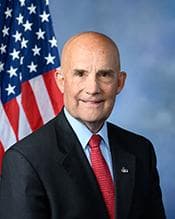
- Introduced
- 4/16/2026
- Last activity
- 4/16/2026 — Referred to the House Committee on the Judiciary.
- Sponsored by
- Keith Self
- Cosponsors
- - 1 - 0
- Introduced
- In Committee
What this bill would do
This bill, known as the "Freedom Against Imposed Theology Harms Act" or the "FAITH Act," aims to establish a prohibition on fees related to religious participation. It would make it a crime to knowingly impose or collect any financial obligation from a person based on their membership or participation in a religious theology, denomination, or organization. The law establishes specific fines and prison sentences for these offenses depending on the amount involved. Additionally, it prohibits denying goods, services, or access due to the nonpayment of these prohibited fees. The act includes a rule that protects the ability of religious and educational institutions to receive voluntary contributions.
Yes· 3 of 4
Does this protect the freedom to practise a religion?+8
The bill protects individuals from being financially penalized for their religious participation or refusal to participate in a specific theology.
Would households on low incomes be better off under this?+4
The bill prevents people from being denied essential goods or services due to the nonpayment of religious fees.
Does this protect people from being watched or searched?+2
The bill protects individuals' right to refuse financial obligations tied to religious membership without facing denial of services.
The opposite
Does this shorten or soften prison sentences?-2
The bill introduces new criminal penalties and prison sentences for imposing religious fees and includes these offenses under RICO statutes.
Who it would affect, and how
Potential Positive Impacts for People
-
Protection from Forced Financial Obligations: The bill prohibits the imposition, assessment, or collection of any fee, fine, surcharge, or penalty based on a person's participation or refusal to participate in a religious theology, denomination, or organization (Section 2(a)).
-
Protection of Access to Goods and Services: The law prevents people from being denied goods, services, access, or opportunities due to the nonpayment of prohibited religious fees (Section 2(b)).
-
Preservation of Voluntary Giving: The act ensures that religious organizations and educational institutions can still request or receive voluntary contributions from their members for internal purposes (Section 2(a)(c)).
Potential Negative Impacts for People
-
Criminal Penalties for Financial Obligations: Individuals who knowingly impose or collect prohibited fees could face fines and imprisonment of up to 1 year if the amount is $1,000 or less, or up to 3 years for any other case (Section 2(a)(1) and (2)).
-
Criminal Penalties for Denial of Services: People who deny goods, services, access, or opportunities based on the nonpayment of these prohibited fees could be fined or imprisoned for up to 1 year (Section 2(b)).
-
RICO Classification: The law adds the prohibition on fees related to religious participation to the list of offenses under the RICO statute (Section 3).
Groups and Interests Ranking
Every group the model scored this bill for, from -10 to +10. Hover a score for the reason it gave.
- Social Issues And Justice
- Improves Religious Freedom+8Improves Criminal Sentencing Reform-2
- Demographic And Interest Groups
- Good For Low Income Households+4
- Governance And Ideology
- Improves Privacy Rights+2Improves Government Transparency+1
- 4/28/2026
- 1 Cosponsor added.
- 4/16/2026
- Referred to the House Committee on the Judiciary.
- Introduced in House
 Clay Fuller
Republican · Georgia