Bill · H.R. 8347· House(119-HR-8347)
RURAL Healthcare Act
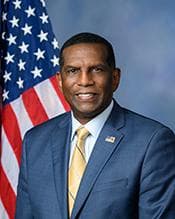
- Introduced
- 4/16/2026
- Last activity
- 7/21/2026 — Ordered to be Reported (Amended) by the Yeas and Nays: 18 - 15.
- Sponsored by
- Burgess Owens
- Cosponsors
- - 1 - 0
- Introduced
What this bill would do
This bill, known as the "RURAL Healthcare Act," seeks to change how certain healthcare workers are classified under federal law. It would classify qualified locum tenens professionals and advanced care practitioners as independent contractors rather than employees. This classification applies specifically to the Fair Labor Standards Act of 1938 and the National Labor Relations Act. The rule applies to those providing temporary services for periods of no more than one continuous year at a single site. To qualify, these individuals must have a written contract stating they will not be treated as employees.
Yes· 3 of 5
Does this make health care easier to get in general?+4
By facilitating easier hiring of locum tenens, it may help address provider shortages in underserved areas.
Would people in rural areas be better off under this?+4
Increased provider flexibility may improve healthcare availability in rural areas.
Is this likely to create jobs?+3
The classification may facilitate easier staffing of temporary positions in healthcare.
The opposite
Does this strengthen the rights of workers to organise?-5
Reclassifying workers as independent contractors removes their protections under the National Labor Relations Act.
Would union members be better off under this?-5
The bill bypasses worker protections under the National Labor Relations Act.
Does this increase support for people who lose their jobs?-2
Classifying workers as independent contractors may reduce their access to unemployment insurance.
Who it would affect, and how
Potential Positive Impacts for People
-
Workforce Flexibility: The bill defines qualified professionals as those providing services for workforce coverage, scheduling flexibility, or episodic staffing needs (Section 2(b)(1)). This could allow for more adaptable healthcare staffing.
-
Defined Professional Roles: The bill specifically includes physicians, nurse practitioners, physician's assistants, and certified registered nurse anesthetists (Section 2(b)(2)). This provides a clear framework for these specific types of practitioners.
Potential Negative Impacts for People
-
Employee Status Removal: Under Section 2(a), qualified locum tenens professionals and advanced care practitioners would not be considered employees of the entity they are serving for the purposes of the Fair Labor Standards Act of 1938 and the National Labor Relations Act. This means they would not be treated as employees under these specific federal laws.
-
Contractual Limitations: To meet the definition of a qualified professional, the individual must have a written contract that explicitly states they will not be treated as an employee regarding their services (Section 2(b)(1)(A)).
Groups and Interests Ranking
Every group the model scored this bill for, from -10 to +10. Hover a score for the reason it gave.
- Economy And Finance
- Increases Job Creation+3Improves Union Protections-5Increases Unemployment Benefits-2
- Healthcare
- Improves Healthcare Access+4
- Environment Energy And Infrastructure
- Improves Rural Development+3
- Demographic And Interest Groups
- Good For Rural Residents+4Good For Business Owners+3Good For Union Workers-5
- 7/21/2026
- Committee Consideration and Mark-up Session Held
- Ordered to be Reported (Amended) by the Yeas and Nays: 18 - 15.
- 6/9/2026
- 1 Cosponsor added.
- 4/16/2026
- Referred to the House Committee on Education and Workforce.
- Introduced in House
One bill Congress.gov lists as related to this one — companions in the other chamber, earlier versions, and bills this one absorbed or was folded into.
 Glenn Grothman
Republican · Wisconsin