Bill · H.R. 8224· House(119-HR-8224)
National Veterans Strategy Act of 2026
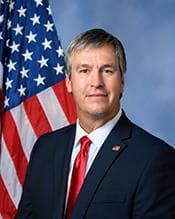
- Introduced
- 4/9/2026
- Last activity
- 4/9/2026 — Referred to the Committee on Veterans' Affairs, and in addition to the Committee on Rules, for a period to be subsequently determined by the Speaker, in each case for consideration of such provisions as fall within the jurisdiction of the committee concerned.
- Sponsored by
- Barry Moore
- Cosponsors
- - 3 - 0
- Introduced
- In Committee
What this bill would do
The National Veterans Strategy Act of 2026 requires the President to define "veteran success" by establishing specific metrics. These metrics will cover areas such as physical and mental health, economic security, and education. The President must also create and submit a National Veterans Strategy to Congress at least once every four years. This strategy aims to align government, nonprofit, and private sector efforts to support veterans. Additionally, the bill establishes a process for Congressional disapproval of the strategy. The President is also tasked with conducting quadrennial reviews and providing annual implementation reports to Congress.
Yes· 3 of 10
Would veterans be better off under this, taking everything together?+5
The bill creates a systematic, coordinated national strategy to ensure veteran success across various life areas.
Does this increase the pay, pensions or support veterans receive?+5
The bill establishes a comprehensive National Veterans Strategy to align benefits and services with specific well-being metrics.
Does this make mental health care easier to get?+3
The bill mandates the establishment of metrics for mental health and direction for applying benefits to meet those needs.
The opposite
No question was scored the opposite.
Who it would affect, and how
Potential Positive Impacts for People
-
Holistic Well-being Metrics: The President must establish metrics to determine the well-being of veterans in areas including physical health, mental health, spiritual health, economic security, education, and social engagement (Section 3(a)(1)-(2)). This ensures a broad look at how veterans are actually doing.
-
Targeted Support: The National Strategy will provide direction on which benefits and services should be applied to help veterans who do not meet specific well-being metrics (Section 3(b)(5)(A)).
-
Inclusivity of Needs: The Strategy is required to consider the needs of veterans across various demographics, such as age, geography, sex, race, disability, and family status (Section 3(b)(3)).
-
Public Input: The President is required to consult with key stakeholders and the general public, including through public hearings and surveys, to gather feedback from veterans and their families (Section 3(b)(2)).
-
Resource Coordination: The Strategy aims to align the efforts of government, nonprofit, and private sector organizations to help veterans achieve success (Section 3(b)(1)).
Potential Negative Impacts for People
- Congressional Oversight Limits: While the bill provides a path for Congressional disapproval, the specific rules for a joint resolution include strict limitations on debate and the ability to amend or postpone the resolution (Section 3(c)(5)).
Groups and Interests Ranking
Every group the model scored this bill for, from -10 to +10. Hover a score for the reason it gave.
- Demographic And Interest Groups
- Good For Veterans+5Good For Low Income Households+2Good For Native Americans+2Good For Seniors+2
- Healthcare
- Improves Healthcare Access+3Improves Mental Health Access+3
- National Security And Foreign Policy
- Improves Veterans Benefits+5
- Economy And Finance
- Improves Economic Growth+2
- Education And Technology
- Improves College Affordability+2
- Social Issues And Justice
- Improves Poverty Reduction+2
- 8/31/2026
- 1 Cosponsor added.
- 4/29/2026
- 1 Cosponsor added.
- 4/9/2026
- Referred to the Committee on Veterans' Affairs, and in addition to the Committee on Rules, for a period to be subsequently determined by the Speaker, in each case for consideration of such provisions as fall within the jurisdiction of the committee concerned.
- 1 Cosponsor added.
- Introduced in House
One bill Congress.gov lists as related to this one — companions in the other chamber, earlier versions, and bills this one absorbed or was folded into.
 Warren Davidson
Republican · Ohio
 Michael Guest
Republican · Mississippi
 Derek Schmidt
Republican · Kansas