Bill · H.R. 8145· House(119-HR-8145)
Expanding Access to Distance Learning and Telemedicine Act
- Introduced
- 3/27/2026
- Last activity
- 3/27/2026 — Referred to the House Committee on Agriculture.
- Sponsored by
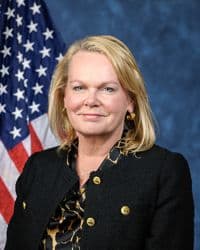
- April McClain Delaney
- Cosponsors
- - 1 - 2
- Introduced
- In Committee
What this bill would do
This bill, called the "Expanding Access to Distance Learning and Telemedicine Act," changes the Distance Learning and Telemedicine Grants Program. It expands who can get financial help to include building and improving facilities and tech systems for telemedicine and cybersecurity. It also adds support for distance learning initiatives like digital literacy, job training, and workforce development in rural areas. The goal is to help rural communities improve their tech infrastructure and workforce.
Yes· 3 of 32
Would people in rural areas be better off under this?+10
The bill is explicitly designed to benefit rural communities via health, education, and tech infrastructure.
Does this invest in rural communities?+8
Focuses on rural broadband infrastructure, telemedicine facilities, and digital literacy.
Would students be better off under this?+7
Directly expands support for distance learning and digital literacy.
The opposite
No question was scored the opposite.
Who it would affect, and how
Potential Positive Impacts for People
-
Expanded Health and Tech Services: People in rural areas may benefit from the construction and enhancement of facilities and technological systems used to deliver telemedicine services (Section 2).
-
Better Digital Skills and Job Training: Individuals in rural communities can get support for distance learning initiatives, specifically including digital literacy, workforce development, and job training (Section 2).
-
Improved Security: The bill provides for strengthening cybersecurity infrastructure, which helps protect technological systems (Section 2).
-
Broadband Growth: There is specific support for workforce development and job training for a workforce that helps build broadband in rural areas (Section 2).
Potential Negative Impacts for People
- No negative impacts for people are explicitly mentioned in the provided text.
Groups and Interests Ranking
Every group the model scored this bill for, from -10 to +10. Hover a score for the reason it gave.
- Demographic And Interest Groups
- Good For Rural Residents+10Good For Students+7Good For Farmers+6Good For Low Income Households+6Good For People With Disabilities+6Good For Seniors+6Good For Young Adults+6Good For Native Americans+5Good For Retirees+5Good For Business Owners+4Good For Children+4Good For Middle Aged+4Good For Middle Class Households+4Good For Veterans+4Good For Union Workers+3Good For African Americans+2Good For High Income Households+2Good For Hispanic Americans+2Good For White Americans+2
- Healthcare
- Improves Healthcare Access+7Improves Mental Health Access+3Improves Pandemic Preparedness+2
- Economy And Finance
- Increases Job Creation+5Improves Economic Growth+3Improves Small Business Support+2
- Education And Technology
- Improves Internet Access+7Improves Data Privacy+2
- Environment Energy And Infrastructure
- Improves Rural Development+8
- National Security And Foreign Policy
- Improves Cybersecurity Defense+6
- Social Issues And Justice
- Improves Disability Rights+3Improves Poverty Reduction+3
- Governance And Ideology
- Increases Federal Power+1
- 4/9/2026
- 1 Cosponsor added.
- 4/2/2026
- 1 Cosponsor added.
- 3/27/2026
- Referred to the House Committee on Agriculture.
- 1 Cosponsor added.
- Introduced in House
 Robert Bresnahan
Republican · Pennsylvania
 Brian Fitzpatrick
Republican · Pennsylvania
 Josh Riley
Democrat · New York