Bill · H.R. 8133· House(119-HR-8133)
DPA Workforce and Skilled Labor Needs Act of 2026
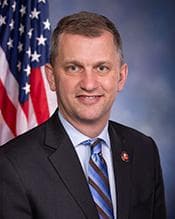
- Introduced
- 3/27/2026
- Last activity
- 3/27/2026 — Referred to the House Committee on Financial Services.
- Sponsored by
- Sean Casten
- Cosponsors
- None
- Introduced
- In Committee
What this bill would do
This bill, known as the "DPA Workforce and Skilled Labor Needs Act of 2026," aims to amend the Defense Production Act of 1950. It focuses on addressing workforce and skilled labor needs required for national defense. The legislation requires Federal agencies to identify specific workforce or skills gaps that impact the domestic industrial base. It also allows agencies to direct financial assistance toward recruiting, training, placing, or retaining workers in defense-critical jobs. Additionally, agencies must include discussions of these gaps and recommendations for action in their annual reports.
Yes· 3 of 25
Would people in their twenties and thirties be better off under this?+6
Focus on apprenticeships and training is particularly beneficial for young adults entering the workforce.
Would students be better off under this?+6
Creates clear pathways from education/training to employment through apprenticeships.
Is this likely to create jobs?+6
The bill provides funding and strategies to recruit and train workers for defense-critical occupations.
The opposite
No question was scored the opposite.
Who it would affect, and how
Potential Positive Impacts for People
-
Workforce Development: Under Section 2, subsection (h)(2), agencies can direct financial assistance to help recruit, train, place, or retain workers in defense-critical occupations. This could provide more opportunities for people to enter specialized, high-demand fields.
-
Addressing Skill Shortages: Section 2, subsection (h)(1) requires agencies to identify workforce and skills gaps. This process aims to identify what is needed to help the domestic industrial base supply necessary materials and services for national defense objectives.
-
Future Planning and Training: Section 2, subsection (h)(3)(B) requires agencies to provide recommendations for reducing gaps, including workforce training programs and apprenticeships. This could create structured pathways for people to gain critical skills.
Potential Negative Impacts for People
- Record Keeping Requirements: Section 2, subsection (h)(2) specifies that the use of funds for worker recruitment or training is contingent upon the entity keeping records of performance standards for those workers. This creates an administrative requirement for the entities involved.
Groups and Interests Ranking
Every group the model scored this bill for, from -10 to +10. Hover a score for the reason it gave.
- Demographic And Interest Groups
- Good For Students+6Good For Young Adults+6Good For Business Owners+5Good For Low Income Households+5Good For Middle Aged+4Good For Union Workers+4Good For Veterans+4Good For African Americans+3Good For Asian Americans+3Good For Hispanic Americans+3Good For L G B T Q Community+3Good For Men+3Good For Middle Class Households+3Good For Native Americans+3Good For People With Disabilities+3Good For Rural Residents+3Good For Urban Residents+3Good For White Americans+3Good For Women+3
- Economy And Finance
- Increases Job Creation+6Improves Economic Growth+3Improves Small Business Support+3
- Governance And Ideology
- Improves Government Transparency+2Increases Federal Power+2
- Social Issues And Justice
- Improves Poverty Reduction+2
- 3/27/2026
- Referred to the House Committee on Financial Services.
- Introduced in House