Bill · H.R. 8113· House(119-HR-8113)
To direct the Secretary of the Interior to carry out a feasibility study on a selective water withdrawal system at Glen Canyon Dam, and for other purposes.
- Introduced
- 3/26/2026
- Last activity
- 3/26/2026 — Referred to the House Committee on Natural Resources.
- Sponsored by
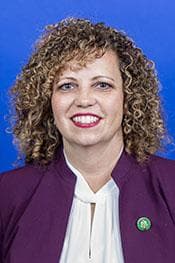
- Celeste Maloy
- Cosponsors
- - 2 - 0
- Introduced
- In Committee
What this bill would do
This bill directs the Secretary of the Interior to conduct a feasibility study on a selective water withdrawal system at Glen Canyon Dam. The goal is to optimize hydropower generation when releasing cold water and prevent the entrainment of invasive species. The Secretary must work with the Secretary of Energy and power contractors to complete this study within 18 months. If a feasible alternative is found and power contractors agree, construction may begin.
Yes· 3 of 14
Does this better protect air, water and wildlife?+3
The bill specifically aims to prevent the entrainment of invasive species.
Does this put more money into wind, solar and other renewable power?+2
Invests in the feasibility and potential construction of a system to optimize hydropower.
Does this better protect public land such as parks and forests?+2
Provides a structured study for improving the management of water releases at Glen Canyon Dam.
The opposite
Does this reduce what the federal government owes?-1
Requires the use of appropriated federal funds for a study that are nonreimbursable.
Does this reduce what the federal government spends?-1
Allocates federal funds for the execution of a feasibility study.
Does this make the government pay for what it commits to?-1
Designates federal funds as nonreimbursable and nonreturnable.
Who it would affect, and how
Potential Positive Impacts for People
- Optimized Hydropower Generation: The bill seeks to optimize hydropower generation when releasing cold water from the dam (Section 1(a)).
- Invasive Species Control: The system aims to prevent the entrainment of invasive species (Section 1(a)).
Potential Negative Impacts for People
- Use of Public Funds: The costs for the feasibility study are to be paid by the Secretary using appropriated funds (Section 1(d)(1)).
- Nonreimbursable Funding: Any Federal funds used for this section are designated as nonreimbursable and nonreturnable to the United States (Section 1(d)(2)).
Groups and Interests Ranking
Every group the model scored this bill for, from -10 to +10. Hover a score for the reason it gave.
- Environment Energy And Infrastructure
- Improves Environmental Protections+3Improves Public Land Management+2Increases Renewable Energy Investment+2Improves Rural Development+1Reduces Carbon Emissions+1
- Demographic And Interest Groups
- Good For Rural Residents+2Good For Business Owners+1Good For Farmers+1Good For Native Americans+1Good For Union Workers+1
- Education And Technology
- Increases Scientific Research Funding+2
- Economy And Finance
- Improves Economic Growth+1Increases Job Creation+1Improves Fiscal Responsibility-1Reduces Government Spending-1Reduces National Debt-1
- Governance And Ideology
- Increases Federal Power+1
- 6/10/2026
- 1 Cosponsor added.
- 3/26/2026
- Referred to the House Committee on Natural Resources.
- 1 Cosponsor added.
- Introduced in House
One bill Congress.gov lists as related to this one — companions in the other chamber, earlier versions, and bills this one absorbed or was folded into.
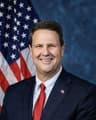 Jeff Crank
Republican · Colorado
 Burgess Owens
Republican · Utah