Bill · H.R. 7995· House(119-HR-7995)
CONNECT Act
- Introduced
- 3/19/2026
- Last activity
- 5/11/2026 — Placed on the Union Calendar, Calendar No. 559.
- Sponsored by
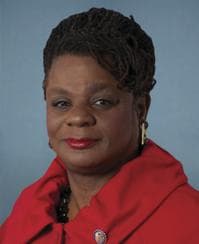
- Gwen Moore
- Cosponsors
- - 1 - 2
- Introduced
- On Calendar
What this bill would do
This bill, known as the "Chafee Opportunities for New Networks and Existing Connection Trust Act" or the "CONNECT Act," seeks to update the purposes of the John H. Chafee Foster Care Program for Successful Transition to Adulthood. It aims to reflect research and input from youth regarding the importance of long-term relationships for future success. The legislation updates the Social Security Act to help foster youth aged 14 or older develop sustained, supportive relationships with adults, mentors, and peers. It also focuses on supporting youth in exercising their rights to participate in developing permanency plans. Additionally, the Secretary of Health and Human Services is required to issue guidance to States and Tribal child welfare agencies.
Yes· 3 of 6
Would children be better off under this?+5
The bill focuses on helping children in foster care aged 14 or older develop essential support networks.
Would people in their twenties and thirties be better off under this?+5
The bill provides tools for successful transition to adulthood through mentoring and peer support.
Would households on low incomes be better off under this?+3
The bill supports youth in the foster care system, who often come from low-income backgrounds.
The opposite
No question was scored the opposite.
Who it would affect, and how
Potential Positive Impacts for People
-
Development of Support Networks: The bill aims to help children who have experienced foster care at age 14 or older develop and maintain sustained, supportive relationships with adults, kin, fictive kin, mentors, and peers to reduce isolation and ensure lifelong connections (Section 2(a)(1)).
-
Increased Youth Participation in Permanency: The provisions support youth still in foster care (age 14 or older) in exercising their rights to participate in developing their own permanency plans (Section 2(a)(1)(2)).
-
Improved Information and Support for Permanency Goals: The bill seeks to facilitate pre- and post-permanency peer support, mentoring, connections with kin, and referrals to programs and services to help youth achieve their goals (Section 2(a)(1)(2)).
-
Standardized Guidance for Agencies: The Secretary of Health and Human Services will issue guidance to States and Tribal child welfare agencies regarding best practices for facilitating connections, such as sibling, tribal, and community connections (Section 2(b)).
Potential Negative Impacts for People
- No negative impacts or burdens are explicitly mentioned in the provided text.
Groups and Interests Ranking
Every group the model scored this bill for, from -10 to +10. Hover a score for the reason it gave.
- Demographic And Interest Groups
- Good For Children+5Good For Young Adults+5Good For Low Income Households+3Good For Native Americans+3
- Social Issues And Justice
- Improves Poverty Reduction+3Improves Racial Equity+2
- 5/11/2026
- Reported (Amended) by the Committee on Ways and Means. H. Rept. 119-642.
- Placed on the Union Calendar, Calendar No. 559.
- 4/29/2026
- Committee Consideration and Mark-up Session Held
- Ordered to be Reported in the Nature of a Substitute by the Yeas and Nays: 40 - 0.
- 2 Cosponsors added.
- 3/19/2026
- Referred to the House Committee on Ways and Means.
- 1 Cosponsor added.
- Introduced in House
2 bills Congress.gov lists as related to this one — companions in the other chamber, earlier versions, and bills this one absorbed or was folded into.
 Mike Carey
Republican · Ohio
 Danny Davis
Democrat · Illinois
 David Schweikert
Republican · Arizona