Bill · H.R. 7985· House(119-HR-7985)
CHATBOT Act
- Introduced
- 3/18/2026
- Last activity
- 3/18/2026 — Referred to the House Committee on Energy and Commerce.
- Sponsored by
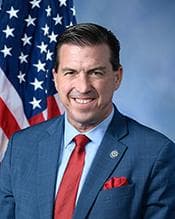
- Kevin Mullin
- Cosponsors
- - 8 - 0
- Introduced
- In Committee
What this bill would do
The CHATBOT Act aims to stop AI chatbots from pretending to be licensed professionals. It prohibits covered entities from using marketing or AI-generated output that implies they have a professional license they do not actually possess. It also forbids implying that AI output is verified by a human professional. The Federal Trade Commission is tasked with enforcing these rules against unfair or deceptive practices. Additionally, the bill allows State attorneys general and injured individuals to take legal action.
Yes· 3 of 6
Does this give people more protection from unfair business practices?+7
The bill protects consumers from deceptive AI marketing that falsely implies professional licensure or human verification.
Does this put more rules on large technology companies?+5
The bill subjects entities deploying AI chatbots to stricter transparency and disclosure requirements regarding professional credentials.
Does this make what the government does easier for the public to see?+4
The bill mandates transparency in how AI chatbots represent their credentials and human oversight.
The opposite
No question was scored the opposite.
Who it would affect, and how
Potential Positive Impacts for People
-
Protection from Misleading Credentials: The bill prevents AI from claiming it has specific credentials, qualifications, or professional experience that it does not actually have (Section 2(a)(1)(A) and 2(a)(2)(A)).
-
Prevention of Human Impersonation: It stops AI services from falsely suggesting that their output has been checked or provided by a human who holds a professional license (Section 2(a)(1)(B)).
-
Consumer Recourse via Lawsuits: Injured individuals have the right to sue for actual monetary losses or up to $5,000 per violation, and can even receive increased damages if the violation was willful or knowing (Section 2(e)(1) and 2(e)(2)).
-
State-Level Protection: State attorneys general can bring civil actions on behalf of their residents to stop harmful practices and seek damages (Section 2(d)(1)).
Potential Negative Impacts for People
- Limited Information Access: The law excludes "general information" or "procedural guidance not specific to the circumstance of the user" from the definition of prohibited implication, which may create a distinction in what types of helpful information can be provided without risk of violating the act (Section 2(a)(2)(B)).
Groups and Interests Ranking
Every group the model scored this bill for, from -10 to +10. Hover a score for the reason it gave.
- Economy And Finance
- Improves Consumer Protection+7
- Governance And Ideology
- Improves Government Transparency+4Improves Due Process+3
- Education And Technology
- Increases Big Tech Regulation+5
- Demographic And Interest Groups
- Good For Low Income Households+3
- Healthcare
- Improves Healthcare Access+2
- 9/2/2026
- 1 Cosponsor added.
- 6/29/2026
- 1 Cosponsor added.
- 3/18/2026
- Referred to the House Committee on Energy and Commerce.
- 6 Cosponsors added.
- Introduced in House
 Becca Balint
Democrat · Vermont
 Debbie Dingell
Democrat · Michigan
 Doris Matsui
Democrat · California
 Jennifer McClellan
Democrat · Virginia
 Dave Min
Democrat · California
 Darren Soto
Democrat · Florida
 Kim Schrier
Democrat · Washington
 Rashida Tlaib
Democrat · Michigan