Bill · H.R. 7979· House(119-HR-7979)
Public Lands Access Restoration Act
- Introduced
- 3/18/2026
- Last activity
- 3/26/2026 — Subcommittee Hearings Held
- Sponsored by
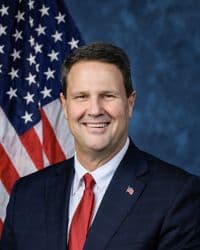
- Jeff Crank
- Cosponsors
- - 1 - 0
- Introduced
- In Committee
What this bill would do
H.R. 7979, known as the Public Lands Access Restoration Act, changes the rules for roads and trails managed by the Forest Service and the Bureau of Land Management. Under this bill, covered roads and trails are presumed to be open to motorized access unless the relevant Secretary restricts it. The bill sets strict standards that the government must meet before restricting motorized access, such as clear and convincing evidence for public safety or resource protection. It also allows the public to submit proposals for additions to designated motorized road and trail networks at any time. Priority is given to proposals that improve connectivity, protect resources, enhance wildfire response, or provide motorized recreation. Finally, the bill requires expedited review within 90 days for proposals to convert closed or administrative roads into designated motorized trails.
Yes· 3 of 6
Does this repair or build roads and bridges?+4
The bill establishes streamlined processes for public trail and road proposals and expedites conversions for administrative roads.
Does this better protect public land such as parks and forests?+3
The legislation introduces structured public nomination processes and clear criteria for managing motorized trail access on federal lands.
Would people in rural areas be better off under this?+3
Rural communities and local stakeholders benefit from expanded opportunities to propose and maintain trail networks.
The opposite
Does this better protect air, water and wildlife?-3
The bill prioritizes motorized access on public lands, which may increase environmental wear and resource impacts.
Does this give the federal government more power?-2
The bill imposes strict federally mandated evidentiary and procedural standards on federal land management agencies.
Who it would affect, and how
Potential Positive Impacts for People
-
Section 2(a) and Section 2(b) state that covered roads and trails are presumed open to motorized access, and any restriction requires clear and convincing evidence, public notice, and a 30-day comment period. This benefits individuals who enjoy motorized recreation by making it harder for the government to close trails without strong justification and public input.
-
Section 3(a) and Section 3(c) require the Secretary of the Interior and the Secretary of Agriculture to accept and consider public proposals for adding new motorized routes, giving priority to those that improve network connectivity, protect resources, or enhance wildfire response. This gives everyday citizens a direct voice in land management and helps improve access for activities like fuels reduction and wildfire response.
-
Section 3(d) requires the agencies to consider proposals for converting administrative or closed roads to motorized trails within 90 days. This benefits individuals by ensuring a faster decision-making process from elected and appointed officials regarding trail access.
Potential Negative Impacts for People
-
Section 2(b)(1) allows motorized access to remain open unless there is clear and convincing evidence for resource protection or public safety. This could be viewed as a negative outcome by individuals or groups who prefer quiet recreation, as it prioritizes motorized vehicles and may increase noise and environmental wear on public lands unless strict evidence for closure is met.
-
Section 2(b)(2)(D) mandates that any restriction on motorized access must be reviewed at least once every 5 years to determine if it is still justified. This places a recurring administrative burden on government agencies, which must spend time and resources re-evaluating trail closures instead of focusing on other public services.
Groups and Interests Ranking
Every group the model scored this bill for, from -10 to +10. Hover a score for the reason it gave.
- Environment Energy And Infrastructure
- Improves Roads And Bridges+4Improves Public Land Management+3Improves Rural Development+2Improves Environmental Protections-3
- Demographic And Interest Groups
- Good For Rural Residents+3Good For Farmers+2
- Governance And Ideology
- Improves Government Transparency+3Increases Federal Power-2
- 3/26/2026
- Subcommittee Hearings Held
- 3/19/2026
- Referred to the Subcommittee on Federal Lands.
- 3/18/2026
- Referred to the Committee on Natural Resources, and in addition to the Committee on Agriculture, for a period to be subsequently determined by the Speaker, in each case for consideration of such provisions as fall within the jurisdiction of the committee concerned.
- 1 Cosponsor added.
- Introduced in House
 Mike Kennedy
Republican · Utah