Bill · H.R. 7901· House(119-HR-7901)
Government Surveillance Reform Act of 2026
- Introduced
- 3/12/2026
- Last activity
- 3/12/2026 — Referred to the Committee on the Judiciary, and in addition to the Committee on Intelligence (Permanent Select), for a period to be subsequently determined by the Speaker, in each case for consideration of such provisions as fall within the jurisdiction of the committee concerned.
- Sponsored by
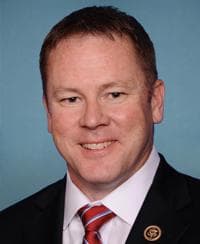
- Warren Davidson
- Cosponsors
- - 1 - 4
- Introduced
- In Committee
What this bill would do
The Government Surveillance Reform Act of 2026 implements various reforms regarding foreign intelligence surveillance authorities and how the government handles electronic communications and personal data. It introduces strict protections against warrantless searches of domestic communications, location information, web browsing records, and vehicle data. The bill implements new data retention limits and prohibits federal law enforcement from purchasing personal data from data brokers. Additionally, it establishes enhanced oversight, transparency, and accountability measures through Inspector General audits and declassified reports. Finally, the legislation aims to modernize privacy standards and strengthens protections for whistleblowers.
Yes· 3 of 18
Does this protect people from being watched or searched?+9
The bill provides extensive new protections for personal digital information and prohibits warrantless acquisition of data.
Does this give people more control over their personal data?+8
The bill significantly strengthens privacy protections for electronic communications, web browsing, location data, and vehicle telematics through warrant requirements.
Does this make what the government does easier for the public to see?+7
The bill mandates declassification of significant surveillance decisions and enhances annual reporting requirements.
The opposite
No question was scored the opposite.
Who it would affect, and how
Potential Positive Impacts for People
-
Protection Against Warrantless Queries: The bill prohibits government officers from accessing covered information in response to certain queries without specific exceptions, such as emergency situations or consent (Section 101).
-
Protection of Domestic Communications: It prohibits federal officers from intentionally acquiring communications where both the sender and recipients are in the U.S. without a warrant, except in specific emergencies (Section 405).
-
Warrant Protections for Digital Records: The bill provides warrant protections for location information, web browsing records, and search query records (Section 601).
-
Privacy for Vehicle Data: It prevents federal law enforcement from accessing "covered vehicle data" from noncommercial vehicles without a warrant, unless specific consent or emergency conditions are met (Section 701 and 731).
-
Limitations on Information Use: It limits the ability to use information obtained under section 702 of FISA in criminal, civil, or administrative proceedings (Section 102).
-
Prohibition of Reverse Targeting: The act prevents the government from intentionally targeting individuals outside the U.S. for the significant purpose of acquiring their specific information (Section 103).
-
Data Retention Limits: It establishes procedures to ensure that collected information is destroyed within five years unless specific legal exceptions apply (Section 104 and 406).
-
Protection of Personal Data from Brokers: It prohibits federal law enforcement agencies from purchasing personal data from data brokers in exchange for anything of value (Section 201).
-
Enhanced Judicial Oversight: The bill expands the appointment of experts, including those with privacy, civil liberties, and technical expertise, to assist the Foreign Intelligence Surveillance Court (Section 307).
-
Increased Transparency: It mandates the declassification of significant decisions, orders, and opinions, and requires unclassified portions of surveillance reports and Inspector General audits to be made available to the public (Section 308, 404, 501, and 507).
-
Improved Accuracy in Applications: It requires specific procedures to ensure that applications for court orders are accurate and complete (Section 303).
-
Increased Accountability through Audits: It requires Inspectors General to conduct audits of court order applications to ensure safeguards are in place to keep information accurate (Section 501).
-
Stronger Whistleblower Protections: It expands whistleblower protections to include communications made to the Privacy and Civil Liberties Oversight Board (Section 502).
-
Restrictions on Technical Assistance: The bill requires the Foreign Intelligence Surveillance Court to supervise demands for technical assistance from service providers to ensure they are necessary and narrowly tailored (Section 105).
Potential Negative Impacts for People
-
Restrictions on Emergency Access: While providing exceptions, the strict documentation and reporting requirements for emergency access to information could potentially slow down response times during urgent situations (Section 101).
-
Emergency Exceptions to Warrant Requirements: In emergency situations involving imminent threats of death or serious bodily harm, officials may acquire data before obtaining a warrant, provided they follow certain notification steps (Section 405 and 2731).
-
Limitations on Intelligence Acquisition: The prohibition on acquiring certain datasets could impact the ability of the intelligence community to conduct certain operations, subject to specific exceptions (Section 404).
-
Restrictions on Technical Assistance: New requirements for demonstrating necessity and narrow tailoring for technical assistance may create additional hurdles for intelligence gathering (Section 105).
-
Limited Data Retention Exceptions: Certain information may be kept longer than the 5-year limit if it is subject to preservation obligations in legal proceedings or specific investigations (Section 406).
-
Potential for Implementation Delays: The Attorney General has the authority to delay the implementation of certain provisions for up to one year to allow for technical setup or staff training (Section 903).
Groups and Interests Ranking
Every group the model scored this bill for, from -10 to +10. Hover a score for the reason it gave.
- Demographic And Interest Groups
- Good For High Income Households+4Good For Low Income Households+4Good For Middle Class Households+4Good For People With Disabilities+4Good For Urban Residents+4Good For African Americans+2Good For Asian Americans+2Good For Hispanic Americans+2Good For Men+2Good For Native Americans+2Good For White Americans+2Good For Women+2
- Governance And Ideology
- Improves Privacy Rights+9Improves Government Transparency+7
- Education And Technology
- Improves Data Privacy+8
- Social Issues And Justice
- Improves Policing Reform+5Improves Racial Equity+2
- National Security And Foreign Policy
- Improves Cybersecurity Defense+3
- 3/30/2026
- 1 Cosponsor added.
- 3/26/2026
- 1 Cosponsor added.
- 3/12/2026
- Referred to the Committee on the Judiciary, and in addition to the Committee on Intelligence (Permanent Select), for a period to be subsequently determined by the Speaker, in each case for consideration of such provisions as fall within the jurisdiction of the committee concerned.
- 3 Cosponsors added.
- Introduced in House
4 bills Congress.gov lists as related to this one — companions in the other chamber, earlier versions, and bills this one absorbed or was folded into.
- 119-HR-9016: Email Privacy Act
- 119-S-4082: Government Surveillance Reform Act of 2026
- 119-S-4649: Email Privacy Act
- 119-S-4739: A bill to implement reforms relating to foreign intelligence surveillance authorities, to prohibit reverse targeting of United States persons and persons located in the United States, and for other purposes.
 Pramila Jayapal
Democrat · Washington
 Sara Jacobs
Democrat · California
 Zoe Lofgren
Democrat · California
 Jerrold Nadler
Democrat · New York
 Michael Rulli
Republican · Ohio