Bill · H.R. 790· House(119-HR-790)
To amend title 38, United States Code, to authorize an individual who is awarded the Purple Heart for service in the Armed Forces to transfer unused Post-9/11 Educational Assistance to a family member, and for other purposes.
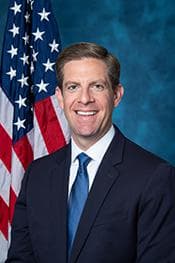
- Introduced
- 1/28/2025
- Last activity
- 3/4/2025 — Referred to the Subcommittee on Economic Opportunity.
- Sponsored by
- Mike Levin
- Cosponsors
- - 1 - 1
- Introduced
- In Committee
What this bill would do
This bill proposes an amendment to title 38 of the United States Code regarding Post-9/11 Educational Assistance. It seeks to allow veterans who have been awarded the Purple Heart for service on or after September 11, 2001, to transfer their unused educational benefits to family members. The transfer is limited to a maximum of 36 months of entitlement. Eligible dependents include those meeting specific criteria under title 10. The bill also establishes rules for the modification, revocation, and commencement of these transferred benefits.
Yes· 3 of 7
Would veterans be better off under this, taking everything together?+8
The bill enhances the value of service by allowing veterans to pass on their educational benefits to their families.
Does this increase the pay, pensions or support veterans receive?+7
The bill expands educational assistance benefits specifically for veterans awarded the Purple Heart.
Would students be better off under this?+6
The bill increases the availability of educational assistance for dependents/students.
The opposite
No question was scored the opposite.
Who it would affect, and how
Potential Positive Impacts for People
-
Benefit Transfer for Families: Veterans awarded the Purple Heart can transfer unused Post-9/11 Educational Assistance to one or more eligible dependents, providing educational opportunities to family members (Section 1(a), Section 3319A(a)).
-
Protection Against Marital Division: The bill ensures that transferred educational assistance cannot be treated as marital property or an asset subject to division during a divorce (Section 1(a), Section 3319A(f)(2)).
-
Flexibility for Caregivers: Children who act as primary caregivers for seriously injured veterans or service members can have their use of benefits delayed until they cease caregiving or reach age 26 (Section 1(a), Section 3319A(h)(5)(B)).
-
Emergency Protections: If an educational institution closes due to an emergency or an Executive order, the Secretary can extend the period an individual has to use their transferred benefits (Section 1(a), Section 3319A(h)(5)(C)).
-
Continuation of Benefits After Death: The death of the veteran making the transfer does not stop a dependent from using the educational assistance already transferred to them (Section 1(a), Section 3319A(h)(4)(A)).
Potential Negative Impacts for People
-
Strict Age Limits for Children: Generally, a child receiving transferred benefits may not use them after attaining the age of 26 years (Section 1(a), Section 3319A(h)(5)(A)).
-
Requirement for High School Completion: A child cannot begin using transferred educational assistance until they have completed a secondary school diploma or equivalency certificate, or reached 18 years of age (Section 1(a), Section 3319A(g)).
-
Financial Liability for Overpayment: If there is an overpayment of educational assistance, both the dependent and the individual who made the transfer are held jointly and severally liable to the United States (Section 1(a), Section 3319A(i)).
Groups and Interests Ranking
Every group the model scored this bill for, from -10 to +10. Hover a score for the reason it gave.
- Demographic And Interest Groups
- Good For Veterans+8Good For Students+6Good For Children+5Good For Young Adults+5Good For Low Income Households+4
- National Security And Foreign Policy
- Improves Veterans Benefits+7
- Education And Technology
- Improves College Affordability+6
- 11/17/2025
- 1 Cosponsor added.
- 3/4/2025
- Referred to the Subcommittee on Economic Opportunity.
- 1/28/2025
- Referred to the House Committee on Veterans' Affairs.
- 1 Cosponsor added.
- Introduced in House
One bill Congress.gov lists as related to this one — companions in the other chamber, earlier versions, and bills this one absorbed or was folded into.
 Gregory Murphy
Republican · North Carolina
 Eugene Vindman
Democrat · Virginia