Bill · H.R. 7885· House(119-HR-7885)
Cybersecurity Skills Integration Act
- Introduced
- 3/9/2026
- Last activity
- 3/9/2026 — Referred to the House Committee on Education and Workforce.
- Sponsored by
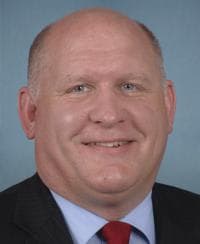
- Glenn Thompson
- Cosponsors
- - 0 - 1
- Introduced
- In Committee
What this bill would do
The Cybersecurity Skills Integration Act directs the Secretary of Education to create a pilot program for competitive grants. These grants aim to integrate cybersecurity education into postsecondary career and technical education programs. The goal is to improve the competencies of the workforce protecting critical infrastructure. The Secretary will consult with various officials to identify specific workforce needs. Eligible partnerships can receive up to $500,000 per fiscal year. The act also authorizes up to $10,000,000 to carry out these efforts.
Yes· 3 of 9
Does this better protect the country from computer attacks?+7
The bill directly addresses the need for improved cybersecurity competencies to protect critical infrastructure.
Would people in their twenties and thirties be better off under this?+5
The bill provides training and credentials for postsecondary students entering the workforce.
Would students be better off under this?+5
The bill enhances postsecondary education by integrating work-based learning and recognized credentials.
The opposite
No question was scored the opposite.
Who it would affect, and how
Potential Positive Impacts for People
-
Workforce Preparedness: The bill aims to improve the skills of people working in critical infrastructure, specifically regarding cybersecurity and the safety of those systems (Section 2; Section 3(h)(2)).
-
Career Advancement and Employment: Grant recipients must develop programs that lead to recognized postsecondary credentials and employment within critical infrastructure sectors (Section 3(d)(8)).
-
Diversity and Inclusion: The program is required to promote diversity within the cybersecurity workforce (Section 3(d)(11)).
-
Work-Based Learning: The program encourages providing work-based learning opportunities, which offer firsthand engagement with career tasks (Section 3(d)(7); Section 3(h)(9)).
-
Regional Accessibility: The Secretary is tasked with ensuring grants are awarded to partnerships in different regions to provide geographic variety (Section 3(e)).
Potential Negative Impacts for People
- Program Sustainability Concerns: Grant applications must include a plan for how the educational program will be sustained once the grant period ends (Section 3(d)(10)).
Groups and Interests Ranking
Every group the model scored this bill for, from -10 to +10. Hover a score for the reason it gave.
- Demographic And Interest Groups
- Good For Students+5Good For Young Adults+5Good For Low Income Households+4Good For People With Disabilities+3
- Economy And Finance
- Increases Job Creation+5Improves Economic Growth+3
- National Security And Foreign Policy
- Improves Cybersecurity Defense+7
- Education And Technology
- Increases Public School Funding+3
- Social Issues And Justice
- Improves Racial Equity+2
- 3/9/2026
- Referred to the House Committee on Education and Workforce.
- 1 Cosponsor added.
- Introduced in House
 Suzanne Bonamici
Democrat · Oregon