Bill · H.R. 7870· House(119-HR-7870)
ICE Standards Act
- Introduced
- 3/9/2026
- Last activity
- 3/9/2026 — Referred to the House Committee on the Judiciary.
- Sponsored by
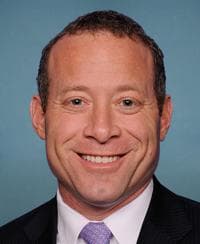
- Josh Gottheimer
- Cosponsors
- None
- Introduced
- In Committee
What this bill would do
The ICE Standards Act seeks to implement various immigration enforcement reforms. It requires the Secretary of Homeland Security to establish training standards for immigration officers, including annual instruction on use of force and legal protections. The bill mandates the use of body-worn and dashboard cameras during enforcement operations. It also requires officers to wear identifiable uniforms unless specific exceptions apply. Furthermore, the bill establishes "protected areas" where enforcement actions are generally prohibited. Finally, it requires the verification of citizenship before an arrest and mandates notification to local law enforcement regarding upcoming operations.
Yes· 3 of 13
Does this change how police departments operate?+6
The bill mandates use-of-force training, de-escalation techniques, body-worn cameras, and clear identification for officers.
Would immigrants be better off under this?+5
The bill implements protections for sensitive locations and mandates citizenship verification prior to arrest.
Does this make what the government does easier for the public to see?+5
The mandate for body-worn cameras and dashboard cameras increases the transparency of enforcement operations.
The opposite
No question was scored the opposite.
Who it would affect, and how
Potential Positive Impacts for People
-
Improved Training and Safety: Officers must complete annual training on use of force, de-escalation strategies, and constitutional rights, which aims to promote sound judgment and mitigate risks to both officers and the public (Section 2(a)).
-
Increased Accountability: The requirement for all immigration officers to use body-worn cameras and for all enforcement vehicles to use dashboard cameras provides a record of actions (Section 2(b)).
-
Clearer Identification: Requiring officers to wear uniforms that clearly display their identity or agency helps the public know who is conducting enforcement (Section 2(c)).
-
Protection of Sensitive Spaces: The bill prohibits enforcement actions in "protected areas" such as schools, hospitals, medical facilities, places of worship, and polling places, unless certain exceptions apply (Section 2(d)).
-
Prevention of Wrongful Deportation: The bill requires officers to verify citizenship status prior to an arrest and strictly prohibits the deportation of United States nationals (Section 2(f)).
-
Local Coordination: By requiring the Secretary to notify local law enforcement of impending operations at least one day in advance, the bill facilitates coordination with state and local agencies (Section 2(g)).
Potential Negative Impacts for People
-
Exceptions to Protected Areas: Enforcement actions can still occur in schools, hospitals, or places of worship under exigent circumstances, such as national security threats, imminent risks of violence, or when a safe alternative location does not exist (Section 2(d)).
-
Exceptions to Identification: Officers are not required to wear identification if there is a public safety or national security threat, if it is necessary for a safe operation, or if they have prior written approval from a supervisor (Section 2(c)).
Groups and Interests Ranking
Every group the model scored this bill for, from -10 to +10. Hover a score for the reason it gave.
- Social Issues And Justice
- Improves Policing Reform+6Improves Religious Freedom+4Improves Voting Access+4Improves Voting Rights+4Improves Pathway To Citizenship+2
- Demographic And Interest Groups
- Good For Immigrants+5Good For Hispanic Americans+4Good For Low Income Households+3Good For Urban Residents+2
- Governance And Ideology
- Improves Government Transparency+5Improves Privacy Rights+3
- Healthcare
- Improves Healthcare Access+3
- Education And Technology
- Improves School Choice+2
- 3/9/2026
- Referred to the House Committee on the Judiciary.
- Introduced in House