Bill · H.R. 7846· House(119-HR-7846)
Halo Act
- Introduced
- 3/5/2026
- Last activity
- 3/5/2026 — Referred to the House Committee on the Judiciary.
- Sponsored by
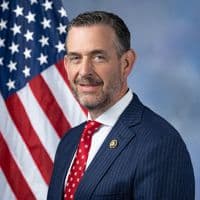
- Michael Rulli
- Cosponsors
- - 7 - 0
- Introduced
- In Committee
What this bill would do
This bill, known as the "Halo Act," seeks to amend title 18 of the United States Code. It aims to establish a new criminal penalty for those who obstruct immigration enforcement activities. The legislation defines a Federal immigration enforcement officer and the term harass. It makes it unlawful to violate a verbal warning from an officer by approaching or remaining within 25 feet of them. This offense applies if the person intends to impede duties, threaten harm, or harass the officer. Violators could face fines and up to five years in prison.
Yes
Does this tighten control of the border?+5
The bill strengthens immigration enforcement by creating criminal penalties for those who impede or harass officers during their duties.
The opposite· 3 of 4
Would immigrants be better off under this?-5
The bill imposes strict new penalties and proximity restrictions on individuals interacting with immigration officers.
Would Hispanic Americans be better off under this?-4
The bill increases the risk of criminal prosecution for individuals during immigration enforcement activities.
Would households on low incomes be better off under this?-3
The bill creates potential criminal liabilities that could disproportionately affect low-income individuals interacting with immigration enforcement.
Who it would affect, and how
Potential Positive Impacts for People
-
Protection for Officers: The bill establishes penalties for those who threaten or harass Federal immigration enforcement officers, which could provide more security for these individuals while they perform their legal duties (Section 2(b)).
-
Prevention of Interference: By making it unlawful to approach within 25 feet of an officer after a warning, the bill aims to prevent people from impeding or interfering with the officer's ability to perform their duties (Section 2(b)).
Potential Negative Impacts for People
-
Criminal Penalties for Proximity: Individuals could face up to five years in prison and fines if they approach or remain within 25 feet of an officer after receiving a verbal warning with specific intents, such as interfering with duties or harassing the officer (Section 2(b) and 2(c)).
-
Risk of Harassment Charges: Because the bill defines harassment as conduct that causes substantial emotional distress and serves no legitimate purpose, individuals could face penalties based on these criteria (Section 2(a)(2)).
Groups and Interests Ranking
Every group the model scored this bill for, from -10 to +10. Hover a score for the reason it gave.
- Demographic And Interest Groups
- Good For Immigrants-5Good For Hispanic Americans-4Good For Low Income Households-3
- Social Issues And Justice
- Improves Border Security+5
- Governance And Ideology
- Improves Due Process-2
- 7/13/2026
- 1 Cosponsor added.
- 5/12/2026
- 1 Cosponsor added.
- 5/11/2026
- 1 Cosponsor added.
- 3/26/2026
- 1 Cosponsor added.
- 3/5/2026
- Referred to the House Committee on the Judiciary.
- 3 Cosponsors added.
- Introduced in House
One bill Congress.gov lists as related to this one — companions in the other chamber, earlier versions, and bills this one absorbed or was folded into.
 Brian Babin
Republican · Texas
 Pat Fallon
Republican · Texas
 Randy Fine
Republican · Florida
 Brandon Gill
Republican · Texas
 Barry Moore
Republican · Alabama
 Michael Simpson
Republican · Idaho
 W. Steube
Republican · Florida