Bill · H.R. 7842· House(119-HR-7842)
Alien Banking Act
- Introduced
- 3/5/2026
- Last activity
- 3/5/2026 — Referred to the House Committee on Financial Services.
- Sponsored by
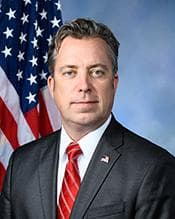
- Andrew Ogles
- Cosponsors
- - 2 - 0
- Introduced
- In Committee
What this bill would do
The "Alien Banking Act" seeks to amend existing laws regarding financial institution customer identification programs. It requires individuals seeking to open deposit accounts to provide a self-attestation regarding their lawful presence in the United States. This attestation must include a specific affirmation of whether the person is a citizen, lawful permanent resident, or otherwise lawfully present. Financial institutions would be prohibited from opening or maintaining accounts for anyone who fails to provide this required attestation. The bill also establishes significant civil and criminal penalties for individuals who knowingly make false attestations. Finally, it requires financial institutions to report suspected false attestations to federal authorities.
Yes
Does this give the federal government more power?+5
The bill expands federal oversight by requiring financial institutions to report suspected immigration status discrepancies to the Attorney General and Secretary of Homeland Security.
Does this tighten control of the border?+4
The bill increases domestic monitoring of immigration status through financial institution reporting requirements.
The opposite· 3 of 5
Would immigrants be better off under this?-8
The bill creates significant financial instability by threatening the loss of bank accounts and assets for those unable to provide specific attestations.
Would Hispanic Americans be better off under this?-7
The bill's requirement for status attestation and the threat of account closure disproportionately impacts the financial security of the Hispanic community.
Would households on low incomes be better off under this?-6
The threat of asset forfeiture and high civil penalties poses a significant financial risk to low-income individuals who may lack legal recourse.
Who it would affect, and how
Potential Positive Impacts for People
-
Penalty for False Statements: The bill imposes civil penalties of $10,000 to $50,000 and criminal penalties including up to 5 years in prison for individuals who knowingly make false attestations (Section 2, paragraph 8).
-
Asset Forfeiture: The law allows for the forfeiture of property contained in an account or traceable to an account if an individual knowingly makes a false attestation (Section 2, paragraph 8).
Potential Negative Impacts for People
-
Account Restrictions: Financial institutions are prohibited from opening or maintaining accounts for any individual who does not provide the required attestation (Section 2, paragraph 7).
-
High Financial Penalties: Individuals who knowingly make a false attestation face civil penalties of at least $10,000 and up to $50,000 (Section 2, paragraph 8).
-
Criminal Prosecution and Fines: Individuals who knowingly make a false attestation can be fined up to $250,000 and face up to 5 years in prison (Section 2, paragraph 8).
-
Property Seizure: Individuals making false attestations face the seizure and forfeiture of all property within the account or property traceable to the account (Section 2, paragraph 8).
-
Mandatory Reporting: Financial institutions are required to report to the Secretary of Homeland Security and the Attorney General if they believe an individual has made a false attestation (Section 2, paragraph 9).
Groups and Interests Ranking
Every group the model scored this bill for, from -10 to +10. Hover a score for the reason it gave.
- Demographic And Interest Groups
- Good For Immigrants-8Good For Hispanic Americans-7Good For Low Income Households-6
- Governance And Ideology
- Increases Federal Power+5
- Economy And Finance
- Improves Consumer Protection-3
- Social Issues And Justice
- Improves Border Security+4Improves Pathway To Citizenship-5
- 3/5/2026
- Referred to the House Committee on Financial Services.
- 2 Cosponsors added.
- Introduced in House
 Elijah Crane
Republican · Arizona
 Clay Higgins
Republican · Louisiana