Bill · H.R. 7799· House(119-HR-7799)
SPONSOR Act
- Introduced
- 3/4/2026
- Last activity
- 3/4/2026 — Referred to the House Committee on Ways and Means.
- Sponsored by
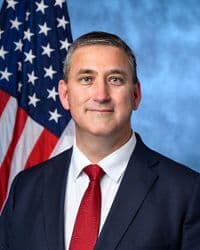
- Nathaniel Moran
- Cosponsors
- None
- Introduced
- In Committee
What this bill would do
This bill, known as the "SPONSOR Act," aims to amend the Internal Revenue Code of 1986. It seeks to hold 501(c)(3) organizations liable for the use of funds provided through a fiscal sponsorship. Under this act, if an organization provides a tax deduction for a contribution used for a fiscal sponsorship, it can be held liable for certain activities. This includes criminal liability for certain acts and civil liability for "covered activities." Covered activities involve aiding and abetting international terrorism, interfering with constitutional rights through force or intimidation, or blocking commerce. The bill establishes a presumption that these organizations are responsible for ensuring their funds comply with the law.
Yes
Does this give the federal government more power?+6
The bill increases federal oversight and regulatory power over 501(c)(3) organizations.
Does this put more money into stopping terrorism?+5
The bill enhances counter-terrorism efforts by holding organizations liable for aiding international terrorism.
The opposite
Does this protect the individual right to speak freely?-4
The liability provisions for 'covered activities' may create a chilling effect on speech related to protest or dissent.
Does this protect the right to fair treatment by the courts?-2
The creation of a presumption of responsibility may increase the burden of proof on organizations.
Who it would affect, and how
Potential Positive Impacts for People
-
Accountability for fund usage: The bill creates a presumption that a 501(c)(3) organization is responsible for ensuring that its funds are used in compliance with laws, regulations, and tax obligations (Section 2, paragraph 4).
-
Prevention of terrorism-related assistance: The provision addresses the prevention of organizations providing substantial assistance or conspiring with those committing acts of international terrorism (Section 2, paragraph 2A).
-
Protection of constitutional rights: The bill targets activities where force or physical obstruction is used to intentionally injure, intimidate, or interfere with persons exercising their constitutional rights (Section 2, paragraph 2B).
-
Protection of commerce: The bill addresses the use of force or physical blocking to intentionally prevent the lawful movement of goods in interstate or intrastate commerce (Section 2, paragraph 2C).
Potential Negative Impacts for People
-
Increased liability for organizations: 501(c)(3) organizations may bear criminal liability and civil liability related to fiscal sponsorships if certain "covered activities" occur (Section 2, paragraph 1).
-
Civil liability for specific activities: Organizations could face civil liability for acts involving the use of force or credible threats to injure, intimidate, or interfere with persons exercising constitutional rights (Section 2, paragraph 2B).
-
Civil liability for commerce interference: Organizations could face civil liability for activities that use force or physical blocking to prevent the movement of articles or commodities in commerce (Section 2, paragraph 2C).
Groups and Interests Ranking
Every group the model scored this bill for, from -10 to +10. Hover a score for the reason it gave.
- National Security And Foreign Policy
- Increases Counter Terrorism Funding+5
- Governance And Ideology
- Increases Federal Power+6Improves Freedom Of Speech-4Improves Due Process-2
- 3/4/2026
- Referred to the House Committee on Ways and Means.
- Introduced in House
One bill Congress.gov lists as related to this one — companions in the other chamber, earlier versions, and bills this one absorbed or was folded into.