Bill · H.R. 7773· House(119-HR-7773)
Field Integration of Homeland Intelligence Act of 2026
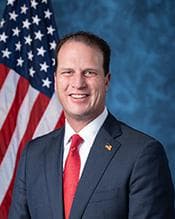
- Introduced
- 3/3/2026
- Last activity
- 3/4/2026 — Referred to the Subcommittee on Counterterrorism and Intelligence.
- Sponsored by
- August Pfluger
- Cosponsors
- - 1 - 0
- Introduced
- In Committee
What this bill would do
The Field Integration of Homeland Intelligence Act of 2026 aims to restructure the DHS Office of Intelligence and Analysis (I&A). It mandates a transition from a centralized headquarters-based model in Washington, DC, to a decentralized, field-based model. Under this plan, Intelligence Officers and Intelligence Analysts will be assigned to fusion centers and joint or interagency task forces. This shift is intended to place analytic personnel directly in the regions they support. The goal is to improve interagency collaboration and the overall effectiveness of homeland security intelligence.
Yes· 3 of 7
Does this protect people from being watched or searched?+3
The bill mandates specific training for personnel on the Privacy Act of 1974 and privacy rights.
Does this make what the government does easier for the public to see?+2
The bill mandates regular progress reports and annual assessments to be submitted to congressional committees.
Does this better protect the country from computer attacks?+2
The bill strengthens intelligence integration which supports national security and defense structures.
The opposite
No question was scored the opposite.
Who it would affect, and how
Potential Positive Impacts for People
-
Improved Intelligence Integration: By moving analytic functions from a centralized model to the field, the bill seeks to improve operational relevance, responsiveness, and coordination between DHS and its partners (Section 2(a)).
-
Enhanced Collaboration: The placement of personnel in specific locations is intended to foster closer collaboration between Federal partners and State, local, Tribal, and territorial partners, such as fusion centers (Section 2(a)).
-
Real-time Intelligence Support: Assigning Intelligence Officers to joint or interagency task forces is designed to ensure real-time analytic support and operational intelligence sharing (Section 3(a)(1)(D)).
-
Protection of Rights: The bill requires that assigned personnel receive specific training on civil rights, civil liberties, privacy rights, regulations, and the Privacy Act of 1974 before starting their assignments (Section 3(a)(2)(B)).
-
Tailored Personnel Assignments: The Secretary is required to request and integrate input from fusion centers to ensure that assigned personnel are consistent with the unique needs of those specific centers (Section 3(a)(2)(C)).
Potential Negative Impacts for People
-
Personnel Concentration Risks: The bill requires that the Secretary ensure Intelligence Officers and Intelligence Analysts do not rotate out of a fusion center at the same time, which is necessary to ensure each center maintains at least one representative at all times (Section 3(a)(2)(E)).
-
Workforce Requirements: To prevent stagnation in the field, the bill implements a rotational program where personnel cannot spend more than five years in a field location without returning to headquarters (Section 3(c)(4)).
Groups and Interests Ranking
Every group the model scored this bill for, from -10 to +10. Hover a score for the reason it gave.
- Governance And Ideology
- Improves Privacy Rights+3Improves Government Transparency+2
- Demographic And Interest Groups
- Good For Rural Residents+1Good For Urban Residents+1
- National Security And Foreign Policy
- Improves Cybersecurity Defense+2
- Economy And Finance
- Improves Economic Growth+1
- Social Issues And Justice
- Improves Disability Rights+1
- 10/1/2026
- 1 Cosponsor added.
- 3/4/2026
- Referred to the Subcommittee on Counterterrorism and Intelligence.
- 3/3/2026
- Referred to the House Committee on Homeland Security.
- Introduced in House
 Matt Van Epps
Republican · Tennessee