Bill · H.R. 7752· House(119-HR-7752)
Kelsey Smith Act
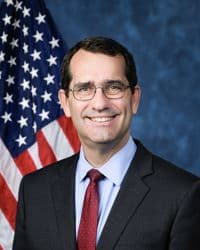
- Introduced
- 3/2/2026
- Last activity
- 3/2/2026 — Referred to the House Committee on the Judiciary.
- Sponsored by
- Derek Schmidt
- Cosponsors
- - 2 - 1
- Introduced
- In Committee
What this bill would do
This bill is known as the Kelsey Smith Act and it focuses on the emergency sharing of device location data. Under this legislation, electronic communication service providers must hand over available location information without delay to law enforcement or public safety answering points. This requirement applies when an officer asserts that a device was used to request emergency help in the past 48 hours, or when there is reasonable suspicion that the device is with someone facing a risk of death or serious physical harm. The law also requires that the subscriber, customer, or next of kin consents to the request, or that reasonable efforts were made to get consent when delay would increase the risk of serious harm. Additionally, law enforcement agencies must keep detailed records of every location information request they make.
Yes· 3 of 7
Would children be better off under this?+2
Enables faster location of missing or endangered children facing serious physical harm.
Does this change how police departments operate?+2
The bill assists law enforcement and public safety answering points by expediting the emergency disclosure of device location data during crises.
Would people in their twenties and thirties be better off under this?+1
Helps emergency responders locate individuals in crisis situations more rapidly.
The opposite
Does this protect people from being watched or searched?-4
The bill compromises individual privacy rights by enabling the collection of location data without direct customer consent.
Does this give people more control over their personal data?-3
The legislation places a burden on personal privacy by allowing government tracking of location data without explicit user consent.
Does this give the government more power to monitor people inside the country?-2
The bill permits law enforcement to access sensitive device location information without direct owner consent under specific emergency conditions.
Who it would affect, and how
Potential Positive Impacts for People
- Section 2 amends section 2703 of title 18 to require the immediate disclosure of location information to law enforcement when a device is involved in an emergency situation. This can benefit individuals by helping first responders locate missing persons or victims facing a risk of death or serious physical harm much faster.
Potential Negative Impacts for People
- Section 2 allows law enforcement to obtain location data without direct customer consent if the next of kin agrees, or if reasonable efforts to get consent failed and the officer believes a delay increases the risk of serious harm. This provision could be seen as a burden on personal privacy because sensitive location data can be accessed by the government without the direct approval of the device owner.
Groups and Interests Ranking
Every group the model scored this bill for, from -10 to +10. Hover a score for the reason it gave.
- Demographic And Interest Groups
- Good For Children+2Good For Middle Aged+1Good For Seniors+1Good For Young Adults+1
- Education And Technology
- Improves Data Privacy-3
- Governance And Ideology
- Improves Government Transparency+1Increases Federal Power+1Improves Privacy Rights-4
- National Security And Foreign Policy
- Increases Domestic Surveillance-2
- Social Issues And Justice
- Improves Policing Reform+2
- 3/2/2026
- Referred to the House Committee on the Judiciary.
- 3 Cosponsors added.
- Introduced in House
 Sharice Davids
Democrat · Kansas
 Ron Estes
Republican · Kansas
 Tracey Mann
Republican · Kansas