Bill · H.R. 7750· House(119-HR-7750)
POINT Act
- Introduced
- 3/2/2026
- Last activity
- 3/5/2026 — Sponsor introductory remarks on measure. (CR H2453)
- Sponsored by
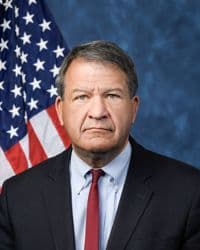
- George Latimer
- Cosponsors
- None
- Introduced
What this bill would do
The bill, known as the Protecting Our Integrity and Nation from Tyranny Act or the POINT Act, aims to prevent election interference by specific high-ranking executive branch officials. It makes it a federal crime for these covered individuals to engage in election interference or to use government property, personnel, and resources for that purpose. The legislation also places strict limits on the President's ability to deploy the Armed Forces or exercise federal law enforcement authority in a state if it would disrupt, postpone, delay, prevent, or influence an election. Additionally, it creates a specific cause of action allowing states to bring lawsuits against the United States for violations of certain constitutional rights. Finally, the bill establishes expedited judicial review and court processes for actions brought by states under these new provisions.
Yes· 3 of 5
Does this make elections run better?+9
It establishes strict criminal penalties for high-ranking officials engaging in election interference, strongly reinforcing democratic governance.
Does this leave more decisions to the states?+8
It significantly enhances state authority by granting states the explicit right to sue the federal government over constitutional rights violations and military deployments.
Does this protect the right to vote?+8
The bill protects election integrity and prevents executive interference in democratic voting processes.
The opposite
Does this give the federal government more power?-5
The bill creates new federal criminal offenses for executive officials, though it simultaneously empowers states legally against federal overreach.
Who it would affect, and how
Potential Positive Impacts for People
-
Holding Officials Accountable: Under Section 2, covered individuals like the President, Vice President, Attorney General, and cabinet secretaries face fines, imprisonment of not more than five years, or both, if they knowingly engage in election interference or misuse government property and resources for election interference. This holds elected and appointed leaders accountable for trying to manipulate elections.
-
Protecting the Integrity of Local Elections: Section 2 defines and prohibits specific acts of election interference, such as communicating to officials to publish unsubstantiated claims of fraud, causing the obstruction of the certification of electoral votes by Congress, or trying to alter vote results. This helps protect the integrity of federal, state, and local elections and caucuses.
-
Limiting Military and Law Enforcement Overreach: Under Section 3, the President is prohibited from deploying members of the Armed Forces or exercising federal law enforcement authority in a state where it would likely disrupt, postpone, delay, prevent, or influence an election, with few exceptions. This safeguards the voting process from federal military and law enforcement interference.
-
Providing Fast Legal Remedies for States: Section 3 and Section 4 allow states to bring lawsuits against the United States in federal district court for violations involving military deployments or the preemption of a state's constitutional rights. These sections also mandate that the district courts, courts of appeals, and the Supreme Court expedite the disposition of these matters to the greatest possible extent.
Groups and Interests Ranking
Every group the model scored this bill for, from -10 to +10. Hover a score for the reason it gave.
- Governance And Ideology
- Improves Electoral Process+9Increase States Rights+8Improves Due Process+6Increases Federal Power-5
- Social Issues And Justice
- Improves Voting Rights+8Improves Voting Access+7
- 3/5/2026
- Sponsor introductory remarks on measure. (CR H2453)
- 3/2/2026
- Referred to the Committee on the Judiciary, and in addition to the Committee on Armed Services, for a period to be subsequently determined by the Speaker, in each case for consideration of such provisions as fall within the jurisdiction of the committee concerned.
- Introduced in House