Bill · H.R. 7739· House(119-HR-7739)
Rural Emergency Response Support Act
- Introduced
- 2/26/2026
- Last activity
- 2/26/2026 — Referred to the House Committee on Education and Workforce.
- Sponsored by
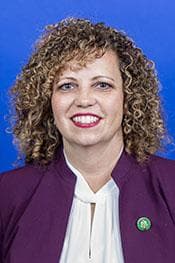
- Celeste Maloy
- Cosponsors
- - 3 - 0
- Introduced
- In Committee
What this bill would do
This bill, titled the "Rural Emergency Response Support Act," seeks to amend the Fair Labor Standards Act of 1938. The primary purpose is to provide overtime compensation exceptions for certain employers. These exceptions would apply to emergency medical technicians and paramedics working in rural areas. Specifically, it targets public agencies that are political subdivisions of a State with fewer than 100,000 residents. It also includes private entities that serve such political subdivisions under a contract.
Yes· 3 of 8
Would business owners be better off under this?+3
The bill provides financial relief to employers by exempting them from overtime pay.
Does this reduce what the federal government spends?+2
By exempting certain public agencies from overtime pay, the bill may reduce local government labor expenditures.
Does this make it easier to run a small business?+2
Private entities contracting with rural public agencies receive relief from overtime pay obligations.
The opposite· 3 of 5
Would union members be better off under this?-4
The bill explicitly removes overtime compensation protections for specific medical personnel.
Does this strengthen the rights of workers to organise?-3
The bill reduces wage protections by creating exceptions to overtime pay requirements for specific workers.
Would households on low incomes be better off under this?-2
Reductions in potential overtime earnings may negatively impact low-income emergency workers.
Who it would affect, and how
Potential Positive Impacts for People
- Overtime Exceptions for Rural Areas: The bill provides exceptions to overtime compensation requirements for employers of emergency medical technicians and paramedics in specific rural jurisdictions (Section 2). This change is intended for public agencies in States with fewer than 100,000 residents and their private contractors (Section 2).
Potential Negative Impacts for People
- Changes to Overtime Pay: The bill amends the Fair Labor Standards Act of 1938 to ensure that certain employers are not deemed to have violated the law regarding overtime pay for emergency medical technicians or paramedics (Section 2). This removes the requirement for these specific employers to pay overtime under the standards defined in subsection (a) (Section 2).
Groups and Interests Ranking
Every group the model scored this bill for, from -10 to +10. Hover a score for the reason it gave.
- Demographic And Interest Groups
- Good For Business Owners+3Good For Rural Residents+1Good For Union Workers-4Good For Low Income Households-2
- Economy And Finance
- Improves Small Business Support+2Reduces Government Spending+2Improves Fiscal Responsibility+1Improves Union Protections-3
- Environment Energy And Infrastructure
- Improves Rural Development+1
- Governance And Ideology
- Increase States Rights+1Increases Federal Power-2
- Healthcare
- Reduces Hospital Costs+1
- Social Issues And Justice
- Improves Poverty Reduction-1
- 2/26/2026
- Referred to the House Committee on Education and Workforce.
- 3 Cosponsors added.
- Introduced in House
One bill Congress.gov lists as related to this one — companions in the other chamber, earlier versions, and bills this one absorbed or was folded into.
 Mike Kennedy
Republican · Utah
 Blake Moore
Republican · Utah
 Burgess Owens
Republican · Utah