Bill · H.R. 7689· House(119-HR-7689)
Earl N. Williams, Sr., First Chance Act
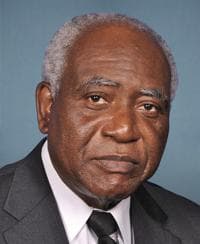
- Introduced
- 2/25/2026
- Last activity
- 2/25/2026 — Referred to the House Committee on Education and Workforce.
- Sponsored by
- Danny Davis
- Cosponsors
- None
- Introduced
- In Committee
What this bill would do
This bill, known as the "Earl N. Williams, Sr., First Chance Act," seeks to amend the Higher Education Act of 1965. It proposes adding basic and emergency supplemental living assistance grants to the student support services program. These grants are intended to help eligible students who are current participants in the program. Basic grants cover reasonable, anticipated expenses for a student's first undergraduate baccalaureate course of study. Emergency grants cover reasonable, unanticipated expenses to help students persist in college.
Yes· 3 of 6
Would students be better off under this?+7
The bill provides direct financial support for both anticipated and emergency student living expenses.
Does this make college cost less?+6
The bill provides new grants to cover basic and emergency living expenses for college students.
Would people in their twenties and thirties be better off under this?+5
The bill directly benefits college-aged students by providing living assistance.
The opposite
No question was scored the opposite.
Who it would affect, and how
Potential Positive Impacts for People
-
Financial assistance for degree completion: Under Section 2, paragraph (1)(A), basic supplemental living assistance grants can cover reasonable, anticipated expenses necessary for a student to complete an academic year of their first undergraduate baccalaureate course of study.
-
Support during unexpected hardships: Under Section 2, paragraph (1)(B), emergency supplemental living assistance grants can cover reasonable, unanticipated expenses to help a student persist in college during an academic year.
-
Flexible coverage of essential needs: Under Section 2, paragraph (2)(C), these grants may cover various needs including components of the cost of attendance, dependent care expenses, transportation expenses, or personal items and expenses not otherwise covered by the cost of attendance.
Potential Negative Impacts for People
-
Caps on emergency assistance: Under Section 2, paragraph (2)(B), there are specific limits on how much a student can receive in emergency supplemental assistance grants, with a cap of $500 for the 2027-2028 academic year.
-
Limited total fund allocation: Under Section 2, paragraph (3), the recipient may use no more than 2 percent of the funds awarded under this section for these specific grants.
Groups and Interests Ranking
Every group the model scored this bill for, from -10 to +10. Hover a score for the reason it gave.
- Demographic And Interest Groups
- Good For Students+7Good For Low Income Households+5Good For Young Adults+5
- Social Issues And Justice
- Improves Childcare Affordability+5Improves Poverty Reduction+3
- Education And Technology
- Improves College Affordability+6
- 2/25/2026
- Referred to the House Committee on Education and Workforce.
- Introduced in House