Bill · H.R. 7682· House(119-HR-7682)
Closing the Workforce Gap Act of 2026
- Introduced
- 2/25/2026
- Last activity
- 2/25/2026 — Referred to the Committee on the Judiciary, and in addition to the Committee on Education and Workforce, for a period to be subsequently determined by the Speaker, in each case for consideration of such provisions as fall within the jurisdiction of the committee concerned.
- Sponsored by
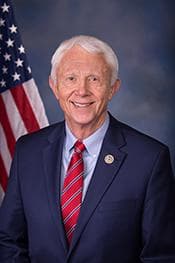
- Jack Bergman
- Cosponsors
- - 1 - 1
- Introduced
- In Committee
What this bill would do
The "Closing the Workforce Gap Act of 2026" seeks to amend the Immigration and Nationality Act regarding H-2B nonimmigrants. It proposes basing numerical limitations on economic need and creates exemptions for workers in rural and seasonal locations. The bill increases penalties for misrepresentation and establishes strict workplace safety requirements. It also prohibits employers from collecting recruitment fees from workers and mandates the disclosure of foreign labor contractors. Additionally, it introduces new eligibility criteria based on country-specific statistics and requires employers to notify the government of certain employment changes.
Yes· 3 of 10
Would immigrants be better off under this?+6
The bill improves worker protections, prohibits recruitment fees, and mandates safety plans.
Would households on low incomes be better off under this?+5
The bill prohibits recruitment fees, protecting low-income workers from upfront costs.
Would women be better off under this?+5
The bill includes specific requirements for employers to protect against sexual harassment and violence.
The opposite
Would business owners be better off under this?-3
Increased regulatory requirements and civil penalties create additional costs and risks for employers.
Does this make it easier to run a small business?-2
Increased penalties, notification requirements, and compliance costs may place a burden on small employers using the H-2B program.
Who it would affect, and how
Potential Positive Impacts for People
-
Exemptions for Rural and Seasonal Workers: Employers in rural and seasonal locations can be exempt from certain numerical limitations on H-2B nonimmigrants (Section 2).
-
Workplace Safety Standards: Employers must maintain a written safety and compliance plan to reduce workplace illnesses, injuries, and fatalities (Section 4).
-
Protection Against Harassment: Safety plans are required to include measures to protect against sexual harassment, violence, and retaliation (Section 4).
-
Prohibition of Recruitment Fees: Workers are protected from having to pay any kind of payment for activities related to the H-2B petition process, such as attorney fees or recruitment costs (Section 5).
-
Increased Accountability for Employers: The Secretary of Labor is granted authority to require payment of unpaid wages, unpaid benefits, and damages if an employer fails to comply with the law (Section 6).
-
Protection Against Retaliation: The law prohibits employers from retaliating against employees who file complaints or cooperate with investigations regarding program compliance (Section 6).
Potential Negative Impacts for People
-
Increased Financial Penalties for Employers: Employers face higher penalties for willful misrepresentation and specific civil monetary penalties ranging from $1,000 to $10,000 per violation (Section 3).
-
Stringent Notification Requirements: Employers are required to provide electronic notification within three business days regarding specific events, such as a worker failing to report to work or the termination of employment, with penalties for non-compliance (Section 8).
-
Penalties for Failure to Pay: If an employer fails to pay a penalty within 10 days, they are prohibited from having any further petitions processed or continuing to employ nonimmigrants (Section 8).
-
Strict Eligibility Limitations: H-2B status may only be granted to nationals of countries specifically designated as participating countries based on various statistical factors (Section 7).
Groups and Interests Ranking
Every group the model scored this bill for, from -10 to +10. Hover a score for the reason it gave.
- Demographic And Interest Groups
- Good For Immigrants+6Good For Low Income Households+5Good For Women+5Good For Rural Residents+2Good For Farmers+1Good For Business Owners-3
- Governance And Ideology
- Improves Government Transparency+3Increases Federal Power+3
- Social Issues And Justice
- Improves Gender Equality+5
- Environment Energy And Infrastructure
- Improves Rural Development+2
- Economy And Finance
- Increases Job Creation+2Improves Small Business Support-2
- 2/25/2026
- Referred to the Committee on the Judiciary, and in addition to the Committee on Education and Workforce, for a period to be subsequently determined by the Speaker, in each case for consideration of such provisions as fall within the jurisdiction of the committee concerned.
- 2 Cosponsors added.
- Introduced in House
 John Moolenaar
Republican · Michigan
 Hillary Scholten
Democrat · Michigan