Bill · H.R. 7677· House(119-HR-7677)
Closing the Provider Fraud Gap Act
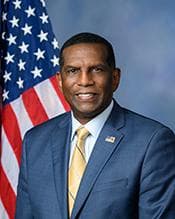
- Introduced
- 2/25/2026
- Last activity
- 4/6/2026 — Placed on the Union Calendar, Calendar No. 513.
- Sponsored by
- Burgess Owens
- Cosponsors
- - 1 - 0
- Introduced
- On Calendar
What this bill would do
The Closing the Provider Fraud Gap Act of 2026 requires the Comptroller General of the United States to study fraud prevention in specific Federal early childhood education, child care, and child nutrition programs. The study focuses on the effectiveness of fraud prevention measures and whether the government has and uses sufficient data to identify fraud. It specifically examines program integrity results for States that delegate management to local entities within the Child Care and Development Block Grant program. Within two years of enactment, a report containing the study results and recommendations for legislative or regulatory improvements must be submitted to Congress.
Yes· 3 of 15
Would children be better off under this?+4
Ensuring fraud-free funding for Head Start and nutrition programs benefits children directly.
Would households on low incomes be better off under this?+4
Low-income families are the primary beneficiaries of the child care and nutrition programs being studied.
Does this make what the government does easier for the public to see?+4
The bill requires a public GAO report on fraud prevention and the effectiveness of data use.
The opposite
Does this leave more decisions to the states?-1
The bill evaluates state performance and corrective actions, potentially leading to stricter federal requirements.
Who it would affect, and how
Potential Positive Impacts for People
-
Improved Fraud Prevention: By analyzing the effectiveness of current procedures and recommending improvements, the bill seeks to better prevent fraud in programs like Head Start and the Child and Adult Care Food Program (Section 2(a)(1) and 2(b)(2)).
-
Better Data Use: The study evaluates if the Federal Government is effectively using data and audits to identify fraud, which could lead to more efficient program oversight (Section 2(a)(2)).
-
Increased Accountability for Local Management: The bill requires an analysis of program integrity for States that delegate responsibilities to counties or local municipalities, ensuring these entities are held accountable (Section 2(a)(3)(A)).
-
Verification of Corrective Actions: The bill looks at whether States have implemented corrective action plans to improve program integrity and if those plans produced measurable outcomes (Section 2(a)(3)(B)).
Groups and Interests Ranking
Every group the model scored this bill for, from -10 to +10. Hover a score for the reason it gave.
- Demographic And Interest Groups
- Good For Children+4Good For Low Income Households+4Good For Women+3Good For African Americans+2Good For Hispanic Americans+2Good For Native Americans+2Good For Rural Residents+1Good For Urban Residents+1
- Economy And Finance
- Improves Fiscal Responsibility+3Reduces Government Spending+1Reduces National Debt+1
- Governance And Ideology
- Improves Government Transparency+4Increases Federal Power+1Increase States Rights-1
- Social Issues And Justice
- Improves Childcare Affordability+1Improves Poverty Reduction+1
- 4/6/2026
- Reported (Amended) by the Committee on Education and Workforce. H. Rept. 119-593.
- Placed on the Union Calendar, Calendar No. 513.
- 3/5/2026
- Committee Consideration and Mark-up Session Held
- Ordered to be Reported (Amended) by the Yeas and Nays: 35 - 0.
- 3/4/2026
- 1 Cosponsor added.
- 2/25/2026
- Referred to the House Committee on Education and Workforce.
- Introduced in House
 Julia Letlow
Republican · Louisiana