Bill · H.R. 761· House(119-HR-761)
HITS Act
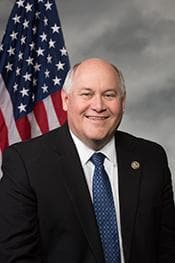
- Introduced
- 1/28/2025
- Last activity
- 1/28/2025 — Referred to the House Committee on Ways and Means.
- Sponsored by
- Ron Estes
- Cosponsors
- - 1 - 6
- Introduced
- In Committee
What this bill would do
The H.R. 761 bill, known as the "Help Independent Tracks Succeed Act" or "HITS Act," aims to amend the Internal Revenue Code of 1986. It proposes allowing an election to expense certain qualified sound recording costs that are otherwise charged to a capital account. This includes adding sound recording productions to the existing list of qualified film, television, and live theatrical productions. The bill defines a qualified sound recording production as one produced and recorded in the United States. It also establishes specific rules for bonus depreciation and the timing of when a production is considered placed in service.
Yes· 3 of 4
Does this cut taxes for small businesses?+5
The bill allows for the expensing of certain sound recording costs, which provides tax relief for small-scale music productions under the $150,000 threshold.
Would business owners be better off under this?+5
The bill benefits those in the music production business by allowing them to expense costs rather than capitalizing them.
Is this likely to create jobs?+3
By providing tax incentives for domestic sound recording productions, the bill may encourage increased activity in the music industry.
The opposite
No question was scored the opposite.
Who it would affect, and how
Potential Positive Impacts for People
-
Expense Treatment for Sound Recordings: The bill allows for an election to treat certain qualified sound recording costs as expenses rather than capital costs (Section 2(a)). This could benefit those in the music industry by providing different tax treatment for their production costs.
-
Bonus Depreciation: The act includes provisions to allow qualified sound recording productions to qualify for bonus depreciation (Section 2(f)). This may provide a financial incentive for those producing sound recordings in the United States.
-
Defined Timing for Service: The bill establishes that a qualified sound recording production is considered placed in service at the time of initial release or broadcast (Section 2(f)). This provides a specific timeline for when these productions qualify under the new rules.
Potential Negative Impacts for People
- Cost Limitation: There is a cap on the amount that can be expensed. The paragraph regarding qualified sound recording productions will not apply to the aggregate cost of a production, or the cumulative cost of all such productions in a taxable year, that exceeds $150,000 (Section 2(b)).
Groups and Interests Ranking
Every group the model scored this bill for, from -10 to +10. Hover a score for the reason it gave.
- Economy And Finance
- Reduces Small Business Taxes+5Increases Job Creation+3Improves Economic Growth+2
- Demographic And Interest Groups
- Good For Business Owners+5
- 4/9/2025
- 1 Cosponsor added.
- 4/8/2025
- 1 Cosponsor added.
- 4/7/2025
- 1 Cosponsor added.
- 3/18/2025
- 1 Cosponsor added.
- 3/5/2025
- 2 Cosponsors added.
- 1/28/2025
- Referred to the House Committee on Ways and Means.
- 1 Cosponsor added.
- Introduced in House
One bill Congress.gov lists as related to this one — companions in the other chamber, earlier versions, and bills this one absorbed or was folded into.
 Judy Chu
Democrat · California
 Lloyd Doggett
Democrat · Texas
 Suzan DelBene
Democrat · Washington
 Jimmy Gomez
Democrat · California
 Nathaniel Moran
Republican · Texas
 Linda Sánchez
Democrat · California
 Nikema Williams
Democrat · Georgia