Bill · H.R. 7594· House(119-HR-7594)
Workforce Development Through Post-Graduation Scholarships Act of 2026
- Introduced
- 2/17/2026
- Last activity
- 2/17/2026 — Referred to the House Committee on Ways and Means.
- Sponsored by
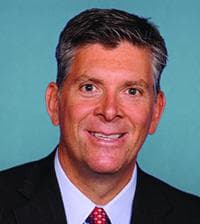
- Darin LaHood
- Cosponsors
- - 1 - 2
- Introduced
- In Committee
What this bill would do
This bill, known as the "Workforce Development Through Post-Graduation Scholarships Act of 2026," aims to amend the Internal Revenue Code of 1986. It seeks to exclude certain post-graduation scholarship grants from an individual's gross income. These specific grants are paid by certain organizations to repay an individual's applicable education loans. To qualify, the grant must require the recipient to live and work in an "applicable community." The bill also includes provisions for regulatory authority and requires reports on the implementation and effectiveness of these changes.
Yes· 3 of 10
Would people in their twenties and thirties be better off under this?+6
The bill provides financial relief for post-graduation education loans, which primarily benefits young professionals.
Would students be better off under this?+6
The bill directly benefits graduates by making certain scholarship grants for loan repayment non-taxable.
Does this make college cost less?+6
The bill helps reduce the long-term cost of higher education by providing tax-free grants for loan repayment.
The opposite
No question was scored the opposite.
Who it would affect, and how
Potential Positive Impacts for People
-
Tax Exclusion for Scholarship Recipients: Under Section 2(a), certain post-graduation scholarship grants would be excluded from gross income, which provides a financial benefit to individuals receiving these grants.
-
Debt Relief for Graduates: According to Section 2(b)(2)(A)(ii), these grant programs function by having an organization repay a portion of an individual's applicable education loan, which helps reduce personal debt.
-
Targeted Community Support: Section 2(b)(2)(A)(iii) specifies that these grants are tied to requirements for the grantee to live and work in an "applicable community," which the bill defines in Section 2(b)(2)(C) as areas with a bachelor's degree attainment rate below the state or national average.
Potential Negative Impacts for People
-
Restrictions on Grant Eligibility: Section 2(b)(2)(A)(v) states that a grant cannot be provided to an employee of the granting organization or a related entity, which limits who can receive these specific benefits.
-
Limitations on Organization Types: Section 2(b)(2)(A)(i)(II) excludes organizations established by certain types of entities, specifically those whose principal purpose is the provision of medical education, from being part of these grant programs.
-
Loss of Interest Deductions: Section 2(d) dictates a "Denial of double benefit," stating that interest paid as part of a post-sgraduation scholarship grant that is excluded from gross income cannot be taken into account under section 221(e).
Groups and Interests Ranking
Every group the model scored this bill for, from -10 to +10. Hover a score for the reason it gave.
- Demographic And Interest Groups
- Good For Students+6Good For Young Adults+6Good For Low Income Households+5Good For Middle Class Households+5
- Economy And Finance
- Reduces Middle Class Taxes+5Improves Economic Growth+4
- Education And Technology
- Improves College Affordability+6
- Environment Energy And Infrastructure
- Improves Rural Development+4
- Social Issues And Justice
- Improves Poverty Reduction+3
- Governance And Ideology
- Improves Government Transparency+2
- 5/14/2026
- 1 Cosponsor added.
- 3/17/2026
- 1 Cosponsor added.
- 2/17/2026
- Referred to the House Committee on Ways and Means.
- 1 Cosponsor added.
- Introduced in House
 Sharice Davids
Democrat · Kansas
 John Moolenaar
Republican · Michigan
 Terri Sewell
Democrat · Alabama