Bill · H.R. 7577· House(119-HR-7577)
TIP Improvement Act of 2026
- Introduced
- 2/13/2026
- Last activity
- 2/13/2026 — Referred to the Committee on Ways and Means, and in addition to the Committee on Education and Workforce, for a period to be subsequently determined by the Speaker, in each case for consideration of such provisions as fall within the jurisdiction of the committee concerned.
- Sponsored by
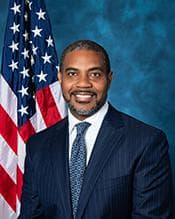
- Steven Horsford
- Cosponsors
- None
- Introduced
- In Committee
What this bill would do
This bill is known as the Tipped Income Protection and Improvement Act of 2026, or the TIP Improvement Act of 2026. It adjusts the minimum wage requirements for tipped workers under the Fair Labor Standards Act of 1938. The bill requires that tipped employees be paid the standard minimum wage and allows them to keep all their tips, while still permitting standard tip pooling. It updates penalties for employers who unlawfully keep or use employee tips. Additionally, the legislation amends the Internal Revenue Code of 1986 to expand and make permanent the qualified tip deduction.
Yes· 3 of 17
Would households on low incomes be better off under this?+8
Significantly improves baseline earnings and tax treatment for lower-income workers who rely on tips.
Does this raise the lowest wage an employer may pay?+8
The bill requires employers to pay tipped employees the standard minimum wage instead of a lower subminimum wage.
Does this cut taxes for middle-income families?+7
The bill expands and makes permanent the qualified tip deduction for workers, providing ongoing tax relief for middle-class individuals who receive tips.
The opposite
Would business owners be better off under this?-3
Employers face stricter minimum wage requirements and heightened penalties for unlawfully keeping tips.
Who it would affect, and how
Potential Positive Impacts for People
-
Section 2(a) requires employers to pay tipped employees the standard minimum wage and ensures workers keep all their tips, which could mean more reliable baseline pay for service workers.
-
Section 2(a) explicitly allows tip pooling among employees who customarily and regularly receive tips, which can help support fair sharing of gratuities among service staff.
-
Section 2(b) updates penalties to hold employers accountable for the sum of all tips unlawfully used or kept by the employer, which protects workers from wage theft.
-
Section 3(a) increases the deduction limit for joint returns under the qualified tip deduction, offering potential tax relief for married couples.
-
Section 3(d) treats automatic gratuities as qualified tips for individuals in hospitality, food and beverage service, or cosmetology, which expands tax benefits for workers who receive mandatory or suggested service charges.
-
Section 3(e) makes the qualified tip deduction permanent, ensuring long-term tax relief for working people who rely on tips.
Potential Negative Impacts for People
-
Section 3(b) prevents individuals from claiming tip deductions on amounts paid by a related person or from a business where the individual has an ownership stake, which could close tax benefits for certain small business worker-owners or family arrangements.
-
Section 3(c) requires individuals to include a taxpayer identification number on their tax return to qualify for the deduction, which adds a strict compliance requirement that could burden individuals lacking proper documentation.
Groups and Interests Ranking
Every group the model scored this bill for, from -10 to +10. Hover a score for the reason it gave.
- Demographic And Interest Groups
- Good For Low Income Households+8Good For Middle Class Households+6Good For Students+6Good For Women+6Good For Young Adults+6Good For Middle Aged+5Good For Men+4Good For African Americans+3Good For Hispanic Americans+3Good For Urban Residents+3Good For Immigrants+2Good For Business Owners-3
- Economy And Finance
- Increases Minimum Wage+8Reduces Middle Class Taxes+7Improves Economic Growth+4
- Social Issues And Justice
- Improves Poverty Reduction+6Improves Gender Equality+3
- Governance And Ideology
- Increases Federal Power+2
- 2/13/2026
- Referred to the Committee on Ways and Means, and in addition to the Committee on Education and Workforce, for a period to be subsequently determined by the Speaker, in each case for consideration of such provisions as fall within the jurisdiction of the committee concerned.
- Introduced in House